Category: Tourism

  • “SILA – SILA KE MELAKA” TANDA LANGKAH BAHARU PENYANYI KELAHIRAN MELAKA, SITI HALIJAH

    “SILA – SILA KE MELAKA” TANDA LANGKAH BAHARU PENYANYI KELAHIRAN MELAKA, SITI HALIJAH

    Penyanyi berbakat kelahiran Melaka, Siti Halijah tampil dengan buah tangan terbaharu berjudul “Sila-Sila Ke Melaka”, sebuah lagu yang membawa semangat cinta kepada tanah bersejarah itu. Lagu ini merupakan hasil ciptaan sepenuhnya oleh komposer juga berasal dari Melaka, Anwar Jaapar, atau lebih dikenali dengan nama Cik Mai.

    Siti Halijah sebelum ini dikenali sebagai bekas anggota Kombo Majlis Bandaraya Melaka Bersejarah dan pernah menyertai Pertandingan Idola Bandaraya Antara Bandaraya Se-Malaysia pada tahun 2011. Beliau juga pernah merakamkan lagu raya berjudul Cinta Lebaran bersama ratu irama tradisional Noraniza Idris sebagai sebahagian daripada kumpulan Akasia.

    Menariknya, lagu “Sila-Sila Ke Melaka” pernah dipersembahkan oleh Siti Halijah dalam pertandingan tersebut, dan berjaya meraih gelaran Juara di samping memenangi kategori Anugerah Lagu Terbaik PBT Se-Malaysia. Kejayaan itu menjadi pencetus kepada usaha merakam semula lagu tersebut dengan susunan baharu untuk pasaran digital.

    “Lagu Sila-Sila Ke Melaka adalah sebuah karya istimewa yang membawa tema pelancongan sempena sambutan Tahun Melawat Malaysia yang bakal dilancarkan pada September 2025 di Melaka. Saya rasa inilah waktu yang paling sesuai untuk melancarkannya secara rasmi,” ujar Siti Halijah.

    Versi baharu lagu ini hadir dengan susunan muzik yang lebih segar dan kontemporari hasil sentuhan Amy Bong. Liriknya pula digubah dengan elemen budaya dan sejarah tempatan melalui frasa seperti “Bijak Laksana Tuah, Berani Laksana Jebat”, menggambarkan kekayaan warisan dan nilai sejarah Bandaraya Melaka yang diiktiraf sebagai Tapak Warisan Dunia oleh UNESCO.

    Penerbitan lagu ini bukan sahaja menandakan fasa baharu dalam kerjaya Siti Halijah, tetapi juga diharap dapat menjadi medium promosi yang berkesan dalam menarik kedatangan pelancong ke Melaka, tidak kira musim cuti mahupun hari biasa.

    Lagu “Sila-Sila Ke Melaka” diterbitkan oleh Luncai Emas yang turut bertindak selaku pemegang hak cipta dan pengedar digital rasmi. Video muzik rasmi lagu ini juga telah dilancarkan di saluran YouTube Luncai Emas, manakala versi audio boleh distrim di semua platform digital utama.

    Diharapkan lagu ini mendapat sambutan yang baik daripada para pendengar, masyarakat Malaysia serta sokongan berterusan daripada rakan media, radio dan televisyen. Mana lagi? Melaka ler…

  • Kerjasama Pelancongan Malaysia–Vietnam Diperkasa Menjelang Tahun Melawat Malaysia 2026

    Kerjasama Pelancongan Malaysia–Vietnam Diperkasa Menjelang Tahun Melawat Malaysia 2026

    Dalam satu langkah penting yang dijangka memberi impak besar kepada landskap pelancongan serantau, Malaysia Tourism Agency Association (MATA) dan Da Nang Tourism Association (DATA) telah memeterai Memorandum Persefahaman (MoU) pada Persidangan ASEAN Connect yang berlangsung di Da Nang, Vietnam. Majlis menandatangani MoU ini berlangsung dengan penuh simbolik dan turut disaksikan oleh para kenamaan serta delegasi dari negara-negara ASEAN, sekali gus mengukuhkan komitmen terhadap usaha memajukan sektor pelancongan secara kolektif.

    MoU ini merangkumi pelbagai bidang kerjasama strategik, termasuk promosi pelancongan dua hala, pembangunan produk pelancongan inovatif, peningkatan kapasiti dan latihan sumber manusia, serta pelaksanaan program promosi bersama di peringkat serantau dan antarabangsa. Kerjasama ini dijangka dapat membantu kedua-dua negara dalam merangka strategi pelancongan yang lebih efisien dan responsif terhadap keperluan pasaran global yang kian berubah.

    Inisiatif ini juga hadir pada masa yang sangat tepat, selaras dengan persiapan Malaysia menjelang Tahun Melawat Malaysia 2026. Kempen pelancongan kebangsaan ini dijangka menarik jutaan pelancong ke Malaysia, dan kerjasama dengan negara jiran seperti Vietnam mampu memperluas potensi promosi pelancongan rentas sempadan, selain memperkukuh daya saing rantau ASEAN di mata dunia.

  • Pencapaian Sektor Pelancongan Domestik Malaysia Suku Keempat 2024

    Pencapaian Sektor Pelancongan Domestik Malaysia Suku Keempat 2024

    Pelancongan domestik Malaysia terus menunjukkan prestasi memberangsangkan pada suku keempat 2024 dengan jumlah pelawat mencecah 66.8 juta orang. Angka ini mencerminkan peningkatan ketara sebanyak 21.4 peratus berbanding tempoh yang sama pada tahun sebelumnya, serta peningkatan kecil sebanyak 0.8 peratus berbanding suku tahun sebelumnya. Selari dengan pertumbuhan jumlah pelancong, perbelanjaan pelancongan domestik turut melonjak 21.9 peratus, mencatatkan jumlah keseluruhan RM29.0 bilion dalam tempoh tiga bulan terakhir tahun 2024. Daripada sudut perbandingan suku tahunan, perbelanjaan pelancongan meningkat sebanyak 13.4 peratus, menandakan pemulihan kukuh sektor ini yang terus menjadi pemacu utama ekonomi negara.

    Menurut Ketua Perangkawan Malaysia, Dato’ Sri Dr. Mohd. Uzir Mahidin, prestasi kukuh sektor pelancongan domestik ini berterusan sepanjang tahun 2024, dengan jumlah keseluruhan pelancong domestik mencapai 260.1 juta orang. Angka ini menunjukkan peningkatan sebanyak 21.7 peratus berbanding tahun 2023. Seiring dengan peningkatan jumlah pelancong, perbelanjaan pelancongan domestik sepanjang tahun juga mencatatkan pertumbuhan kukuh sebanyak 26.3 peratus, dengan jumlah keseluruhan RM107.2 bilion.

    Perkembangan positif dalam sektor pelancongan domestik turut memberi kesan kepada pelbagai industri berkaitan. Aktiviti zoo mencatatkan peningkatan hasil sebanyak 15.6 peratus, menunjukkan daya tarikan yang semakin meningkat terhadap ekopelancongan dan hidupan liar. Dalam sektor tenaga dan bahan api, jualan runcit bahan api meningkat sebanyak 6.7 peratus, selaras dengan peningkatan aktiviti perjalanan domestik yang lebih tinggi. Ketibaan pelancong di lapangan terbang domestik turut meningkat sebanyak 6.1 peratus, manakala volum trafik lebuh raya mencatatkan pertumbuhan sebanyak 3.8 peratus, menandakan tahap mobiliti yang lebih tinggi dalam negara.

    Industri penginapan juga menunjukkan prestasi memberangsangkan, dengan subsektor ini mencatatkan peningkatan hasil sebanyak 14.1 peratus. Kadar penginapan hotel empat bintang meningkat sebanyak 5.9 peratus, mencerminkan permintaan berterusan untuk pilihan penginapan mewah. Destinasi pantai menjadi antara pilihan utama pelancong domestik, dengan kadar penginapan meningkat sebanyak 12.1 peratus, menunjukkan trend ke arah percutian pantai yang semakin popular. Kawasan bandar pula menyaksikan peningkatan sederhana sebanyak 0.7 peratus dalam kadar penginapan, menandakan pengagihan pelancong yang lebih seimbang di seluruh negara.

    Secara keseluruhannya, sektor pelancongan domestik telah terbukti menjadi pemacu utama prestasi ekonomi negara. Peningkatan jumlah pelancong dan perbelanjaan pelancongan bukan sahaja mengukuhkan industri pelancongan itu sendiri tetapi juga memberi kesan limpahan positif kepada pelbagai sektor lain seperti perhotelan, makanan dan minuman, perdagangan runcit serta pengangkutan. Dengan keyakinan pengguna yang terus meningkat, permintaan perjalanan yang tinggi serta musim perayaan yang bakal tiba, sektor pelancongan domestik dijangka terus berkembang dan memainkan peranan penting dalam pembangunan ekonomi Malaysia.

  • Hospitality Sector in Kota Kinabalu Struggles with Licensing Fee Hike.

    Kota Kinabalu’s hotel industry is facing mounting pressure due to the government’s decision to reinstate an outdated licensing fee structure. The Malaysian Association of Hotel Owners (MAHO) has strongly opposed this move, highlighting the financial burden it places on registered hotels.

    Under the previous system, hotels were only required to pay RM10 per room annually for their operating licenses. However, the revised fee structure now charges hotels based on daily occupancy—Class 1 hotels must pay RM4.65 per occupied room per day, Class 2 hotels RM2.65, and Class 3 hotels RM1.30. This results in a significant increase in expenses, with a 100-room Class 2 hotel operating at 60% occupancy now facing annual licensing fees of RM57,600, a sharp contrast to the RM1,000 previously paid.

    Datuk Ngan Teng Ye, President of MAHO, has raised concerns over the classification system used for these fees, noting that it does not align with Malaysia’s official hotel rating standards set by MoTAC. The lack of transparency in determining these categories has added to the frustrations of hotel operators.

    Furthermore, only licensed hotels are being affected by this policy, while unregulated STRA operators, such as Airbnb, continue to operate without oversight. Despite years of appeals from MAHO, MAH, and MyBHA for stricter regulations, STRA accommodations remain largely untaxed and unmonitored. In Kota Kinabalu alone, there are over 2,500 active Airbnb listings, compared to just 214 registered hotels, creating an unfair competitive landscape.

    With Visit Malaysia 2026 fast approaching, this move could have long-term consequences for tourism in Kota Kinabalu. Rising costs may deter visitors, while local businesses that rely on tourism could also suffer from reduced demand. MAHO has urged the Sabah State Government to put the new fees on hold and consult with industry representatives to develop a more reasonable approach.

  • Unfair Burden on Hotels: Why Kota Kinabalu’s Licensing Fee Hike Needs a Rethink.

    Unfair Burden on Hotels: Why Kota Kinabalu’s Licensing Fee Hike Needs a Rethink.

    The hospitality industry in Kota Kinabalu is facing an unexpected and deeply concerning crisis. The sudden reinstatement of the 1966 Hotel & Lodging Houses By-Laws has led to an extreme increase in licensing fees, putting tremendous financial pressure on hotels that are already struggling with high operational costs. This decision forces hotels to pay a fee for every occupied room per day, a sharp departure from the 1989 licensing structure, which only required an annual payment of RM10 per room.

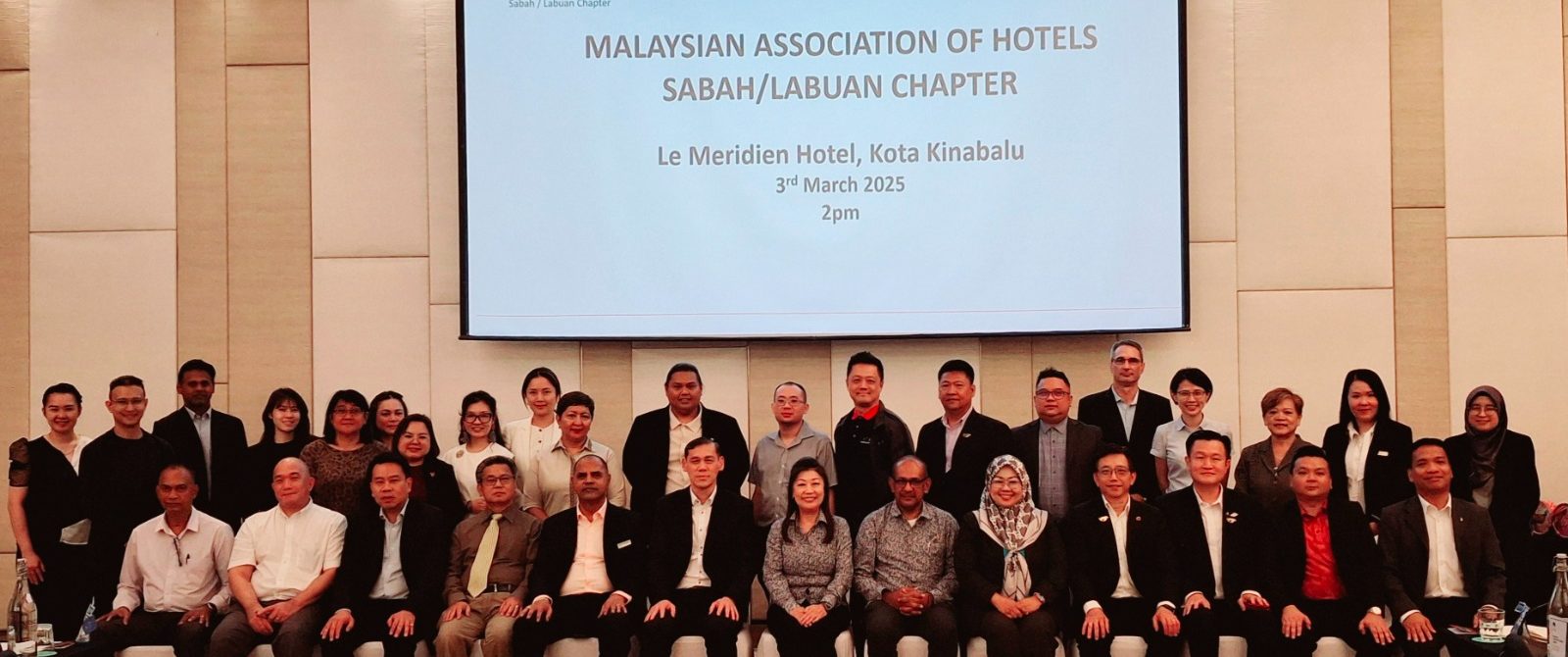
    Hafizan Wong, the Chairman of the Malaysian Association of Hotels (MAH) Sabah/Labuan Chapter, has voiced strong concerns over this drastic shift. He warns that such an increase could force hotels to cut services, lay off employees, or even shut down operations entirely. The situation is especially dire for mid-sized and budget hotels, which may not have the financial capacity to absorb the sudden spike in costs. Wong emphasizes that while hotels have always contributed to the city’s economy, this policy unfairly penalizes them while unregulated Short-Term Rental Accommodations (STRA) continue to operate without proper oversight.

    Datin Christina Toh, President of MAH, has also called for a fairer and more balanced approach. She acknowledges the importance of contributing to city upkeep but insists that lawful businesses should not bear the financial burden alone. Instead of imposing such hefty fees on licensed hotels, she urges the Kota Kinabalu authorities to address the lack of regulation in the STRA market first. According to her, real prosperity in the tourism sector can only be achieved when all accommodation providers are held to the same standards and financial responsibilities.

    This fee hike will have negative consequences on Kota Kinabalu’s tourism industry. Hotels may be forced to increase room rates to offset rising costs, making the city less attractive to both domestic and international tourists. With Malaysia already facing stiff competition from neighboring countries that offer more affordable accommodations, this move could drive travelers away. At the same time, the economic impact will extend beyond hotels, affecting local businesses such as restaurants, transportation providers, and tour operators. Job losses within the hospitality sector could also become a reality, particularly for small and mid-sized hotels that may not be able to absorb these costs.

    While it is understandable that the city wants to generate revenue for infrastructure and tourism development, the approach must be fair and sustainable. Instead of placing the financial burden solely on hotels, the government should prioritize closing regulatory gaps within the STRA market. By ensuring that all accommodation providers contribute to city upkeep and tourism development, authorities can create a balanced and equitable system.

    MAH has taken a proactive stance by calling for a suspension of the new fees until thorough discussions can take place. A fairer licensing structure that considers the realities of hotel operations, coupled with clear STRA regulations, is the way forward. The Sabah State Government must engage with industry stakeholders to craft policies that support growth rather than stifle it. If no action is taken, the consequences could be severe, not just for hotels but for the entire tourism economy of Kota Kinabalu.

  • Cabaran dan Persediaan MyBHA dalam Menjayakan VMY2026.

    Cabaran dan Persediaan MyBHA dalam Menjayakan VMY2026.

    Tahun Melawat Malaysia 2026 (VMY2026) merupakan peluang strategik untuk merancakkan industri pelancongan negara. Persatuan Hotel Bajet & Bisnes Malaysia (MyBHA) menekankan bahawa bagi memastikan kempen ini benar-benar memberi manfaat kepada industri tempatan, beberapa cabaran utama perlu diselesaikan segera.

    Presiden MyBHA, Dr. Sri Ganesh Michiel, menegaskan bahawa salah satu isu utama yang perlu diberi perhatian ialah persaingan yang tidak adil dalam industri perhotelan. Menurutnya, hanya pengusaha hotel yang berlesen sepatutnya diberikan keutamaan dalam program promosi dan insentif yang ditawarkan di bawah VMY2026. Langkah ini bertujuan untuk melindungi pemain industri yang sah serta memastikan manfaat kempen ini dinikmati secara adil.

    Selain itu, peningkatan kualiti pemasaran juga menjadi aspek penting dalam menjayakan VMY2026. MyBHA menyambut baik keputusan Kementerian Pelancongan, Seni dan Budaya Malaysia (MoTAC) untuk menyemak semula video promosi kempen tersebut agar kandungannya lebih menarik dan relevan kepada pasaran sasaran, khususnya pelancong antarabangsa. Kualiti promosi yang lebih baik akan memastikan Malaysia dapat bersaing dengan destinasi pelancongan lain di peringkat global.

    Seiring dengan jangkaan peningkatan jumlah pelancong, MyBHA turut menekankan kepentingan latihan tenaga kerja dalam industri perhotelan. Oleh itu, semua hotel bajet dan perniagaan kecil digalakkan untuk melaksanakan latihan Mesra Malaysia bagi memastikan kakitangan mereka bersedia memberikan perkhidmatan yang berkualiti tinggi. Langkah ini bukan sahaja akan meningkatkan tahap kepuasan pelancong tetapi juga mengukuhkan imej Malaysia sebagai destinasi mesra pelancong.

    Dari sudut perniagaan, kempen ini bukan sekadar satu usaha promosi tetapi juga satu peluang untuk meningkatkan daya saing sektor pelancongan negara. Oleh itu, MyBHA menyeru semua pemain industri untuk menggunakan bahan promosi rasmi VMY2026 dalam strategi pemasaran mereka agar dapat memanfaatkan sepenuhnya peluang ini dan memberi impak positif kepada industri pelancongan tempatan.

    Bagi sebarang pertanyaan atau perbincangan lanjut, sila hubungi:

    • Dr. Sri Ganesh Michiel (Presiden MyBHA – Kebangsaan)
    • En. Jarod Chia Lik Ming (Timbalan Presiden MyBHA – Kebangsaan)
    • En. Zamari Bin Hj Muhyi (Setiausaha Agung MyBHA – Kebangsaan)
  • Penang to Chennai: A Media Journey to Expand Travel and Business Horizons

    Penang to Chennai: A Media Journey to Expand Travel and Business Horizons

    In an effort to strengthen tourism and cultural ties between Penang and Chennai, a group of 11 media representatives from Penang recently participated in a media familiarization trip to Chennai, India, from March 3rd to 5th, 2025. This initiative coincided with the launch of IndiGo Airlines’ direct flight route connecting the two destinations, a move expected to boost tourism and economic collaborations.

    The primary objective of this media trip was to generate greater awareness among Penangites about Chennai as a vibrant travel destination. By showcasing Chennai’s rich heritage, dynamic urban culture, and unique travel experiences, the initiative aims to sustain demand for the newly established flight route while promoting mutual exploration.

    During their visit, the delegation explored Mahabalipuram, a UNESCO World Heritage Site known for its ancient rock-cut temples and intricate sculptures that narrate India’s historical legacy. They also immersed themselves in Chennai’s bustling city life, experiencing its seamless blend of modernity and tradition, and visited Kanchipuram, a city famous for its grand temples and exquisite silk weaving industry.

    ‘We fully support this initiative as part of our commitment to strengthening connectivity with Chennai,’ stated YB Wong Yuee Harng, Director of the Penang Convention & Exhibition Bureau. ‘This media trip plays a crucial role in fostering travel opportunities while deepening economic and cultural ties between our regions.’

    Echoing this sentiment, Ashwin Gunasekeran, CEO of the Penang Convention & Exhibition Bureau, highlighted the strategic significance of the initiative. ‘Through extensive media exposure, we aim to elevate awareness of Chennai’s diverse tourism offerings, ensuring the long-term success of this direct flight. This effort also paves the way for further collaborations in tourism and business, aligning with Penang’s broader vision of expanding its presence in key markets.’

    This initiative aligns with Penang’s long-term tourism strategy, which focuses on enhancing regional connectivity and driving economic benefits through increased travel and cultural exchange. By positioning Chennai as an appealing travel destination, the media trip not only promotes tourism but also reinforces Penang’s role as a premier hub for both business and leisure travelers.

  • ITC Collaborates with BUMITRA, MATTA, and MICA to Boost Muslim Travel

    ITC Collaborates with BUMITRA, MATTA, and MICA to Boost Muslim Travel

    The Islamic Tourism Centre (ITC) has achieved a significant milestone in Malaysia’s commitment to becoming a global leader in Muslim-friendly Tourism and Hospitality (MFTH). This was marked by a groundbreaking collaboration with three major tourism associations: the Bumiputera Travel and Tour Agents Association of Malaysia (BUMITRA), the Malaysian Association of Tour and Travel Agents (MATTA), and the Malaysian Inbound Chinese Association (MICA). The signing ceremony took place today at One World Hotel, reinforcing Malaysia’s dedication to promoting its Muslim-friendly tourism sector.

    The focus of this collaboration is to organize a special “familiarisation trip” programme for Imams from China and Europe. The initiative will highlight Malaysia’s Muslim-friendly tourism offerings, including its rich cultural heritage, natural beauty, and major city attractions, positioning the country as the preferred destination for Muslim travellers worldwide.

    ITC Director-General, Nizran Noordin, expressed that this collaboration marks a significant step in building a sustainable Muslim-friendly tourism ecosystem. He explained, “By engaging influential Muslim leaders from China and Europe, we aim to foster meaningful international relationships, raise awareness of Malaysia’s tourism potential, and create economic benefits for local tourism businesses.”

    The success of the pilot programme in January 2024, which saw the participation of 35 Imams from 14 provinces in China, was a key motivator for expanding the initiative. This programme resulted in Malaysia attracting 58,000 Chinese Muslim tourists, generating RM92.8 million in tourism revenue within two months. ITC plans to replicate this success by targeting both the Chinese and European Muslim markets, building on past sales missions to countries like France, Russia, and the United Kingdom.

    The upcoming familiarisation trips for 2025 will start with a 7-day, 6-night programme organized by MICA for Imams from China, beginning on 5 February. The programme will feature Muslim-friendly accommodations, halal-certified dining options, iconic mosques, and Islamic tourism attractions, all guided by ITC-certified Muslim-friendly tourist guides. Similar trips will be arranged by BUMITRA and MATTA later in the year, each tailored to showcase Malaysia’s exceptional offerings for Muslim travellers.

    Through this collaboration, the tourism associations aim to increase Muslim tourist arrivals to Malaysia in alignment with the country’s goals for Visit Malaysia 2026. The commitment of these associations to driving higher tourist numbers for each Imam involved will help further establish Malaysia as a top destination for Muslim-friendly tourism.

    The signing ceremony was attended by prominent figures, including YB Khairul Firdaus Akbar Khan, Deputy Minister of Tourism, Arts, and Culture Malaysia, and representatives from each participating organization, including Nizran Noordin (ITC), Dr. Wan Muhamad Adam Wan Norudin (BUMITRA), Dr. Cindy Seow (MICA), and Datuk Mohd Hizzat Bin Mohd Shah (MATTA). The collaboration signifies Malaysia’s preparedness to cater to the global Muslim travel market and offers an enriching travel experience for Muslim visitors around the world.

  • Protecting Malaysia’s Hospitality Industry for a Successful Visit Malaysia Year 2026

    Protecting Malaysia’s Hospitality Industry for a Successful Visit Malaysia Year 2026

    As we step into 2025, the hospitality industry in Malaysia stands at a critical juncture. The sector, an essential pillar of the nation’s economy, faces several unresolved challenges that require immediate attention. Without addressing these issues, Malaysia risks compromising its potential, especially with the highly anticipated Visit Malaysia Year (VMY) 2026 just around the corner. It is vital for all stakeholders—government, industry leaders, and local businesses—to unite and take decisive actions that will protect and strengthen the industry.

    One of the key issues that remains unresolved is the unregulated growth of Short-Term Rental Accommodations (STRA). Platforms such as Airbnb have rapidly expanded, but without proper regulations in place, this has led to an uneven playing field for traditional, licensed accommodation providers. The absence of a clear regulatory framework has resulted in unfair competition and raised concerns about safety and quality control. Licensed hotels and guesthouses face challenges in competing with STRA providers who often operate outside the purview of local regulations. As the tourism sector continues to grow, the government must prioritize the creation of robust regulations to level the playing field and preserve the integrity of Malaysia’s hospitality offerings.

    Another significant issue is the unregulated operation of Online Travel Agencies (OTAs). These platforms, while essential in the digital era, often lack transparency in their operations, imposing high commission fees on local businesses. This not only affects the profitability of accommodation providers but also creates an imbalance in market dynamics, leaving local players vulnerable to exploitation. The lack of clear regulations governing OTAs means that local businesses have little recourse against unfair practices, and this can undermine their sustainability in the long term. The government must ensure that these platforms operate within a regulated framework that promotes fairness and protects the interests of local businesses.

    A less talked about but equally important issue is the lack of a unified music royalty collection system. The hospitality sector, particularly hotels, resorts, and entertainment venues, relies on music as part of the guest experience. However, the absence of a streamlined and unified system for collecting royalties from music usage creates administrative complexities and additional costs for operators. Implementing a single, efficient collection system will benefit both the industry and artists, ensuring fair compensation while reducing the financial burden on hospitality providers.

    Tourism taxes remain a contentious issue, particularly with the current method of collection. At present, tourism taxes are primarily collected through hotels, which places an unnecessary burden on operators. Moreover, this method fails to capture revenue from tourists who opt for non-hotel accommodations, such as STRAs. A more efficient and equitable approach would be to collect these taxes at the country’s entry or exit points, ensuring all travelers contribute to the tourism tax pool. This would alleviate the administrative burden on hotels and ensure that all visitors, regardless of where they stay, contribute fairly to the country’s tourism infrastructure.

    As we approach Visit Malaysia Year 2026, it is crucial that the government takes immediate steps to address these long-standing issues. Without proper regulation of STRAs, OTAs, and royalty collections, Malaysia’s hospitality industry will continue to face an uphill battle. To safeguard the integrity of the VMY 2026 campaign and ensure its success, the focus must be on promoting only registered and licensed service and accommodation providers. By doing so, the government can ensure that the campaign’s impact is maximized, providing genuine benefits to local businesses and generating substantial revenue for the national economy.

    It is clear that the future of Malaysia’s hospitality industry depends on collective action from all stakeholders. The government must prioritize these issues and implement necessary reforms to ensure a fair, transparent, and competitive market for accommodation providers. By creating clear regulations, streamlining tax collection systems, and protecting the rights of local businesses, Malaysia can continue to position itself as a premier tourist destination.

  • The Tourism Industry Award 2024 Honours Outstanding Performance in the Tourism Sector

    Tourism Industry Award (TIA) will be held on July 26, 2024 at the Royale Chulan Kuala Lumpur. More than 60 awards will be handed to industry leaders for their contributions to the growth of Malaysia’s tourist industry.

    According to Dato’ Emmy Suraya Hussein, Organising Chairman of TIA 2024 the awards  recognises and honours tourism industry players for outstanding and innovative products and services. It also acts as an incentive for participants to strive for the highest level of professionalism and quality in both products and services.

    “Tourism Industry Award is a tribute and highest accolade for individuals and organisations  whose outstanding contributions play a significant role in the success of tourism industry. I take this opportunity to invite everyone to submit their nominations of deserving individuals and organisations in the respective categories of the Tourism Industry Award 2024. I look forward to receiving a good response from the public as it is a way to acknowledge and recognize those who have worked hard to uphold the standards of tourism in this country,” she added.

    For the first time, this prestigious award is organize by Malaysia International Tourism Development Association (MITDA) and co-organize by MFMPA (Malaysia Fashion Modeling Pageant Association) and Santai Travel.

    “I would like to thank and congratulate all of you who have contributed towards the success of our tourism industry. Let’s us together celebrate and honour all award achievers that have contributed towards quality service and continuous growth for our country’s tourism industry and this will act as a benchmark for the excellence and best practice in our industry. A special thanks to all strategic partners for continue supporting our effort in the tourism industry,” said Dato’ Emmy Suraya.

    It recognises and honours local and international tourism industry players for outstanding and innovative products and services. It also acts as an incentive for participants to strive for the highest level of professionalism and quality in both products and services.

    Members of the Malaysia and international travel trade as well as the media are invited to submit their nominations for any of the award categories.