Protein is often associated with athletes, gym routines, or weight goals, but its role in the body extends far beyond physical performance. For active adults, protein serves as a daily foundation that supports strength, energy, recovery, and overall well-being. Whether someone trains regularly, remains active through work, or simply aims to feel stronger and more resilient, consistent protein intake plays a key role in supporting an active lifestyle.
According to Dr. Krissy Ladner, Director of Sports Performance and Nutrition Education at Herbalife, protein provides the essential building blocks required to maintain and repair muscle tissue. She explains that every time we move, lift, walk, or exercise, muscle fibres are placed under stress, and protein helps the body recover by repairing and maintaining lean muscle mass. Over time, this process supports physical strength, mobility, and metabolic health, all of which are important for staying active at any age. Lean muscle is metabolically active tissue, meaning it plays a role in how the body uses energy, and adequate protein intake supports a healthy metabolism as well as long-term weight management when combined with balanced nutrition and regular physical activity.

A common misconception is that protein is only necessary after intense exercise or for those aiming to build muscle. In reality, the body benefits most when protein is consumed consistently throughout the day. The Malaysian Dietary Guidelines 2020 highlight that protein deficiency, which can occur at any age due to poor diet or illness, is linked to impaired growth, weakened immunity, and loss of muscle mass, increasing the risk of stunting in children and frailty in older adults. Distributing protein intake across meals helps support steady energy levels, maintain muscle mass, and improve appetite control, as meals containing adequate protein tend to be more satisfying and help reduce energy fluctuations often caused by high intake of refined carbohydrates. Pairing protein with carbohydrates after physical activity also supports energy replenishment and muscle recovery, helping individuals stay active and recover more effectively over time.
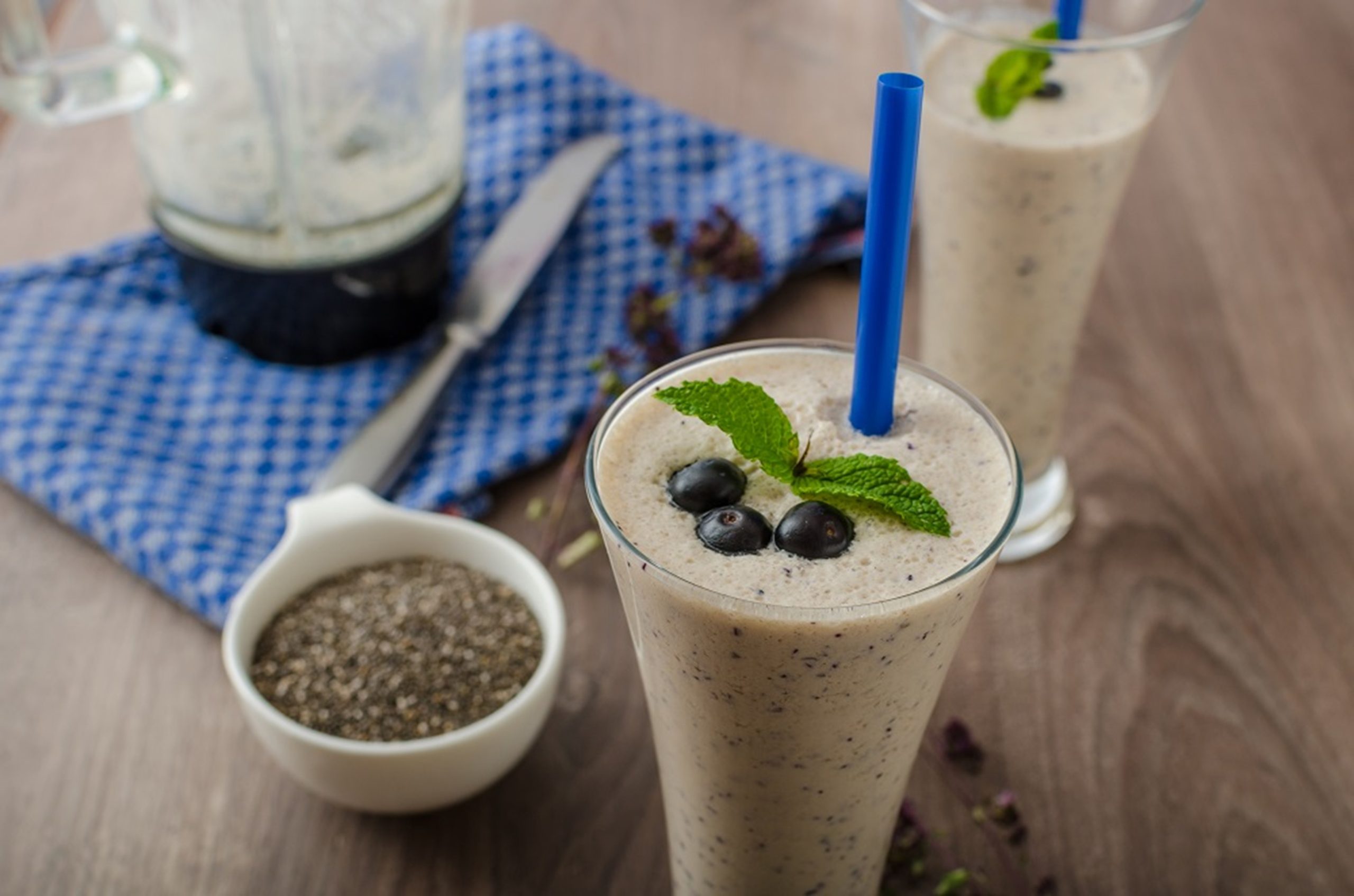
The quality and variety of protein sources are equally important. Lean animal proteins such as fish, poultry, eggs, and lower-fat dairy provide essential amino acids in highly bioavailable forms, while plant-based sources such as legumes, soy products, nuts, seeds, and whole grains contribute protein along with fibre and phytonutrients. A varied intake of protein sources helps individuals meet their nutritional needs while supporting overall diet quality. However, modern lifestyles can make it challenging to meet daily protein requirements through meals alone, as busy schedules, long working hours, and irregular eating patterns often create nutritional gaps. In such situations, convenient options such as protein-rich snacks, smoothies, or shakes can help support adequate intake without excessive portions or calories, particularly on demanding days.
As we age, the body naturally becomes less efficient at maintaining muscle mass, a process that can begin as early as midlife and may affect strength, balance, and mobility if not addressed. Consistent protein intake supports muscle maintenance and repair, which is essential for sustaining an active, resilient, and independent lifestyle over time. Preserving lean muscle is not only important for performance but also for everyday function, as activities such as climbing stairs, carrying groceries, and maintaining balance all depend on adequate muscle strength. When combined with regular physical activity, sufficient protein intake helps the body adapt to physical stress and maintain functional capacity throughout life.

While the recommended protein intake is 0.83 g/kg body weight per day, the focus is not on excess, restriction, or perfection but on consistency. Simple daily habits such as including protein at breakfast, balancing meals, and planning ahead during busy periods can make a meaningful difference over time. Ultimately, protein is not limited to athletes or specific fitness goals but is a fundamental nutrient that supports movement, recovery, and long-term vitality. When consumed consistently and as part of a balanced diet, it becomes a key foundation for maintaining an active and energised life.