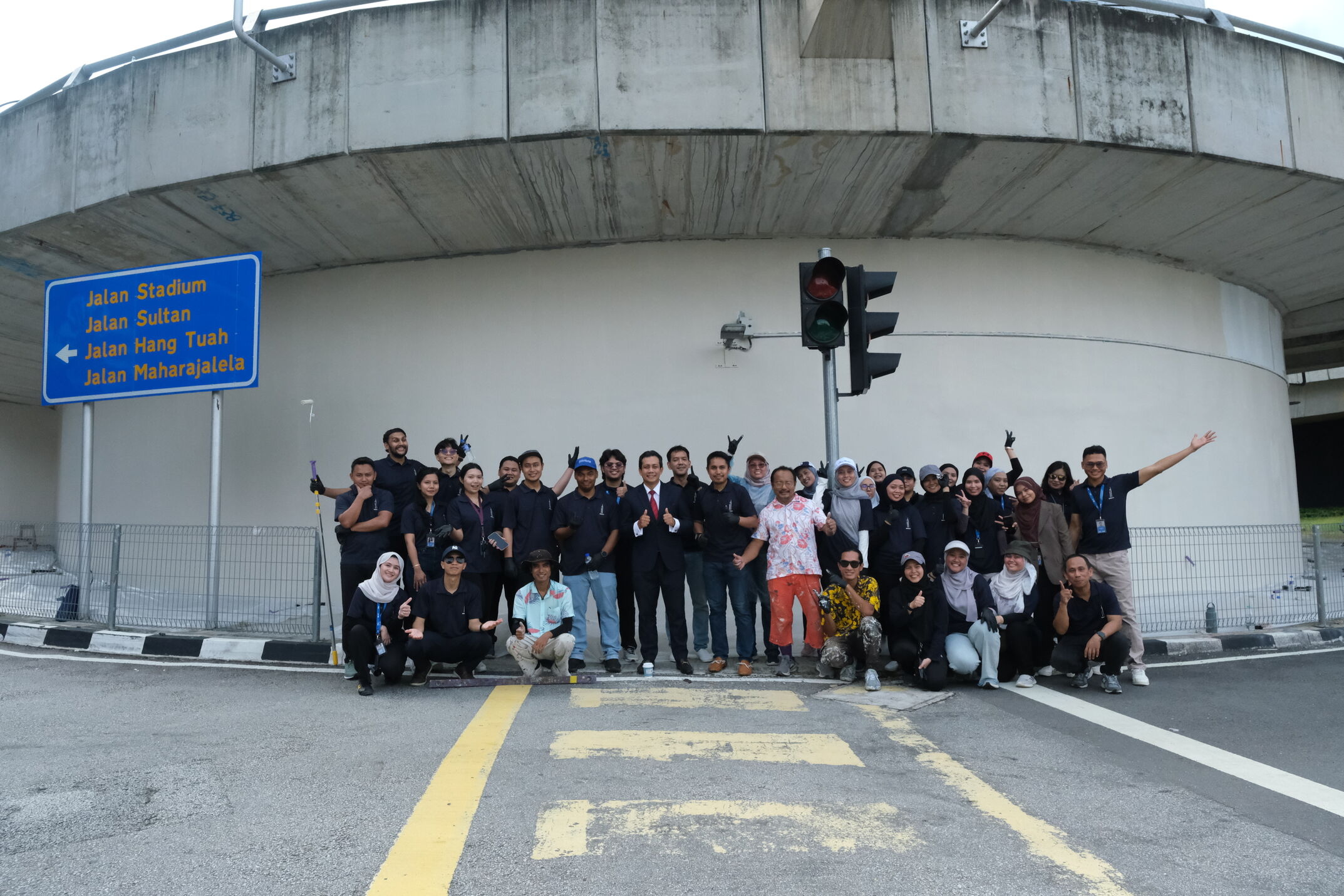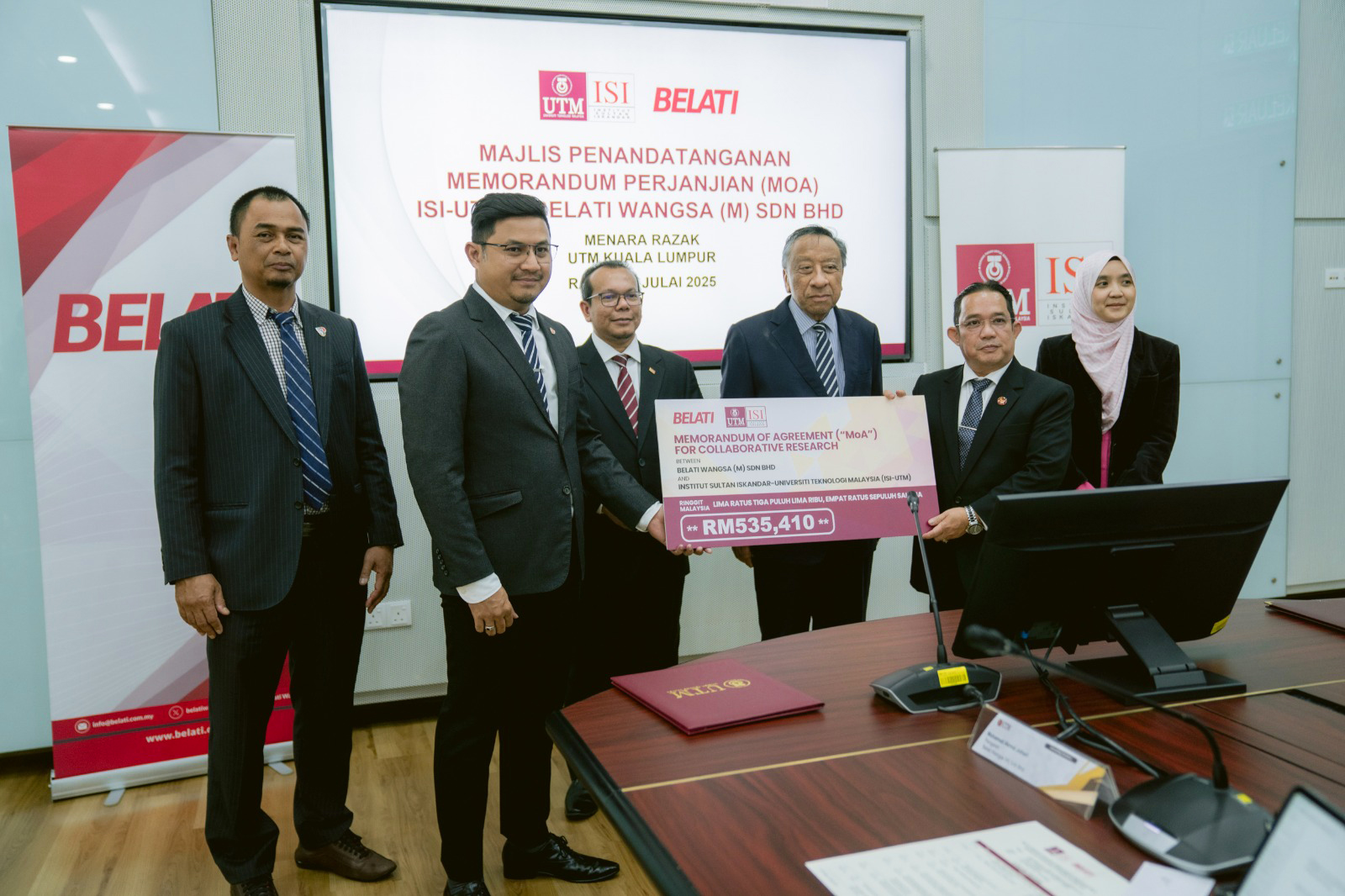
Institut Sultan Iskandar (ISI) of Universiti Teknologi Malaysia (UTM) has officially partnered with infrastructure specialist Belati Wangsa (M) Sdn Bhd to spearhead a groundbreaking initiative aimed at transforming Reclaimed Asphalt Pavement (RAP) into a highly sustainable material for road construction and maintenance in Malaysia. This innovative project leverages milling waste from pavement surfaces, introducing a new frontier in eco-conscious road infrastructure development.
With the cost of road maintenance in Malaysia estimated to exceed RM4 billion annually over the past five years, the demand for environmentally friendly, cost-effective, and long-lasting materials is at an all-time high. The RAP-based solution being developed under this collaboration is expected to significantly reduce the reliance on virgin materials, lower energy consumption, and minimise construction waste all without compromising the quality or durability of road surfaces.
Professor Dr Mohd Shafry bin Mohd Rahim, Vice Chancellor of UTM, emphasised the impact of this collaboration, stating, “Sustainable road maintenance is an exciting growth area in the construction industry. RAP has already shown strong promise, proving to be a cost-effective alternative to traditional hot mix asphalt. We are excited to push its potential further alongside Belati Wangsa.”
Echoing the sentiment, Encik Mohamad Akmal bin Johari, Director of Belati Wangsa (M) Sdn Bhd, said, “We are proud to collaborate with UTM’s esteemed researchers in this vital initiative. Our goal is to develop a sustainable, high-performance pavement maintenance technology that limits the use of natural resources and reduces the need for long-distance material transportation. Beyond technical benefits, this innovation will also help cut greenhouse gas emissions, in line with Malaysia’s carbon neutrality objectives.”
Belati Wangsa, a company with deep experience in road construction and maintenance, is committed to embracing advanced technologies that enhance public well-being and provide tangible value to the government. This collaboration underscores the company’s dedication to social responsibility and its ambition to support national infrastructure goals through sustainable innovation.
The road construction sector is increasingly challenged by outdated business models and rising expectations for environmental responsibility. Sustainability in this space must go beyond materials, also factoring in construction methods, machinery, and design processes. It is within this evolving landscape that the RAP initiative stands out, offering a more holistic and scalable solution to future infrastructure demands.
Associate Professor Dr Sarajul Fikri Mohamed, the project leader and an expert in construction economics from UTM, highlighted the broader significance of the work. “We are not just looking at material reuse. Our research considers the entire life cycle of road infrastructure from material sourcing to end-of-life recycling. Through a structured whole life cycle costing (WLCC) approach, we are quantifying both the economic and environmental benefits of RAP technology across all phases of pavement development.”
UTM is contributing its expertise through two research groups: the Construction Economic, Law and Policy (CELP) team from the Faculty of Built Environment and Surveying, and the Pavement and Transportation Research Group (PTRG) from the Faculty of Civil Engineering. Together with Belati Wangsa, they are not only developing advanced road engineering models using local materials but also establishing an innovative life cycle cost model for sustainable construction.
The outcome of this collaborative research will culminate in a joint patent between UTM and Belati Wangsa, signifying a major milestone in Malaysia’s efforts to develop home-grown, high-impact technologies for greener infrastructure.