Tag: #TourismGrowth

  • Premiere and Launch Ceremony Ushers in a New Chapter of Malaysia–China Partnership in Changsha, Hunan | 6 March 2026

    Premiere and Launch Ceremony Ushers in a New Chapter of Malaysia–China Partnership in Changsha, Hunan | 6 March 2026

    A major step forward in Malaysia–China cooperation unfolded in Changsha with the successful staging of the “Let’s Go Malaysia” Cultural, Trade & Tourism Promotion Event on 6 March 2026. Held at Saint Tropez Hotel Changsha, the event coincided with the 52nd anniversary of diplomatic relations between Malaysia and China, reinforcing a shared commitment to strengthening bilateral ties across tourism, investment, and cultural exchange.

    Organised by KMA Production in collaboration with Hunan TV International, the event marked the official debut of the cross-border travelogue “Let’s Go Malaysia”. Positioned as both a media and economic initiative, the programme is designed to elevate Malaysia’s profile among Chinese travellers while opening new avenues for trade and investment. Its launch comes at a strategic time, aligning with Visit Malaysia 2026 and increased efforts to attract high-value tourists and investors from China.

    The event drew participation from key institutional players, including Tourism Malaysia, MIDA, and MATRADE, alongside regional stakeholders such as the Hunan Provincial Department of Commerce. Their involvement reflects a coordinated effort to leverage media, tourism, and trade as interconnected drivers of bilateral growth.

    Corporate stakeholders also played a prominent role, with companies such as EcoWorld Development Group Berhad and R&F Princess Cove showcasing investment opportunities linked to tourism development. The inclusion of IFOOD Expo further highlighted the importance of culinary tourism and cross-border trade in enhancing Malaysia’s appeal to international audiences.

    With nearly 100 media organisations in attendance, the event generated significant exposure, underscoring growing interest in Malaysia as a destination for travel, investment, and cultural exploration. Industry observers note that initiatives like “Let’s Go Malaysia” demonstrate how media-driven storytelling can influence travel behaviour and strengthen economic linkages between countries.

    As the travelogue begins its journey, it is expected to spotlight Malaysia’s diverse offerings—from its multicultural heritage and vibrant food scene to the unique attractions of Johor—while reinforcing the broader narrative of Malaysia as a dynamic and welcoming destination. The initiative stands as a testament to the evolving partnership between Malaysia and China, where tourism, media, and business converge to create new growth opportunities.


    Goh Liu Ying Teams Up with Mango TV Hosts Tong He and Duan Hong for “Let’s Go Malaysia,” Delivers Special Launch Message

    A dynamic blend of culture, tourism and business collaboration took centre stage at the “Let’s Go Malaysia” launch event in Changsha, reflecting the growing synergy between Malaysia and China. The ceremony featured engaging highlights, including an energetic exchange between Hunan TV host Tong He and Malaysian representative Nigel, whose chemistry embodied the programme’s cross-cultural narrative. Malaysian badminton star Goh Liu Ying also made a virtual appearance through a pre-recorded video message, sharing her enthusiasm for the project and spotlighting Johor as a destination offering unique and memorable travel experiences.

    Beyond entertainment, the event served as a strategic platform for investment promotion. Guests were treated to a culinary showcase by Hock Kee Kopitiam, introducing traditional Johor delicacies and reinforcing Malaysia’s cultural appeal. The programme then shifted to business discussions, where officials from MIDA and MATRADE outlined Malaysia’s competitive advantages, including investor-friendly policies and its strategic position within ASEAN’s 600-million-strong market.

    Corporate presentations further underscored Malaysia’s economic potential. EcoWorld Development Group Berhad highlighted its comprehensive industrial ecosystem, while R&F Princess Cove showcased its cross-border connectivity advantages near Singapore. With the development of the Johor-Singapore Special Economic Zone gaining momentum, Johor is rapidly emerging as a preferred hub for regional headquarters and supply chain operations.

    The event also marked a significant milestone with the signing of a Memorandum of Cooperation involving KMA Travel & Tours, Nine Square Media and IFOOD Expo, paving the way for the upcoming Let’s Go Malaysia Expo. Industry leaders, including representatives from EcoWorld, emphasised Malaysia’s stable political environment, strong infrastructure and strategic location as key factors attracting global investors.

    As highlighted by Hunan Broadcasting System, the initiative represents more than a media project—it is a multidimensional platform driving tourism, trade and cultural exchange. The launch signals a forward-looking partnership between Malaysia and China, with “Let’s Go Malaysia” positioned as a catalyst for deeper economic and cultural ties.

  • MATTA and BASE Malaysia Partner Through MoU to Strengthen Adventure Tourism Sector

    MATTA and BASE Malaysia Partner Through MoU to Strengthen Adventure Tourism Sector

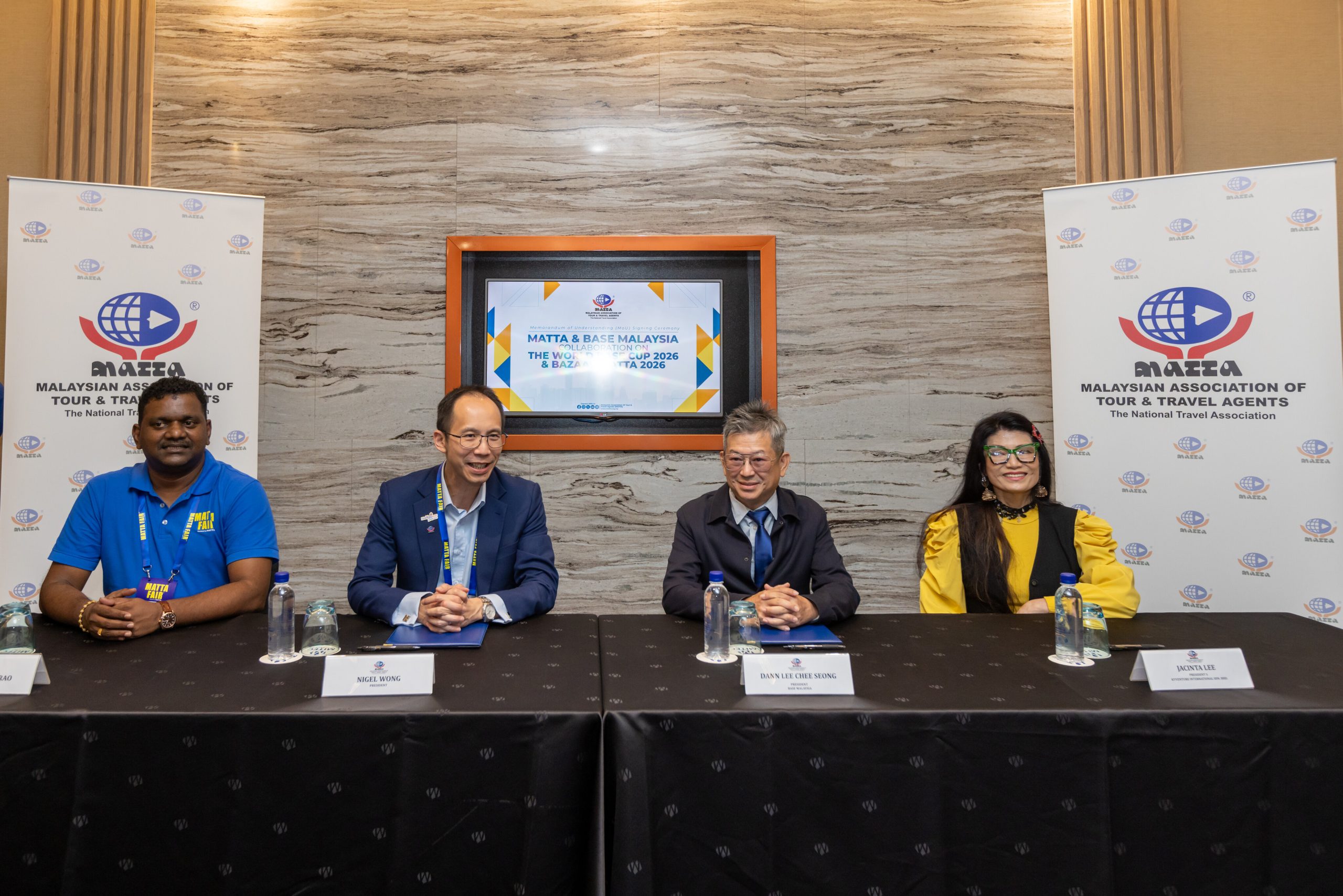
    KUALA LUMPUR, 3 APRIL 2026 – Malaysia is set to elevate its standing in the global adventure tourism scene following a new collaboration between MATTA and BASE Malaysia. The partnership, formalised through a Memorandum of Understanding at MATTA Fair April 2026, aims to position the country as a premier destination for high-adrenaline travel experiences. By leveraging MATTA’s tourism ecosystem and BASE Malaysia’s expertise in BASE jumping and extreme sports, the initiative will introduce large-scale events such as the World Base Cup 2026 and Bazaar MATTA. These flagship programmes are expected to attract both local and international thrill-seekers while promoting Malaysia’s iconic landmarks as adventure tourism hotspots.

  • Unfair Burden on Hotels: Why Kota Kinabalu’s Licensing Fee Hike Needs a Rethink.

    Unfair Burden on Hotels: Why Kota Kinabalu’s Licensing Fee Hike Needs a Rethink.

    The hospitality industry in Kota Kinabalu is facing an unexpected and deeply concerning crisis. The sudden reinstatement of the 1966 Hotel & Lodging Houses By-Laws has led to an extreme increase in licensing fees, putting tremendous financial pressure on hotels that are already struggling with high operational costs. This decision forces hotels to pay a fee for every occupied room per day, a sharp departure from the 1989 licensing structure, which only required an annual payment of RM10 per room.

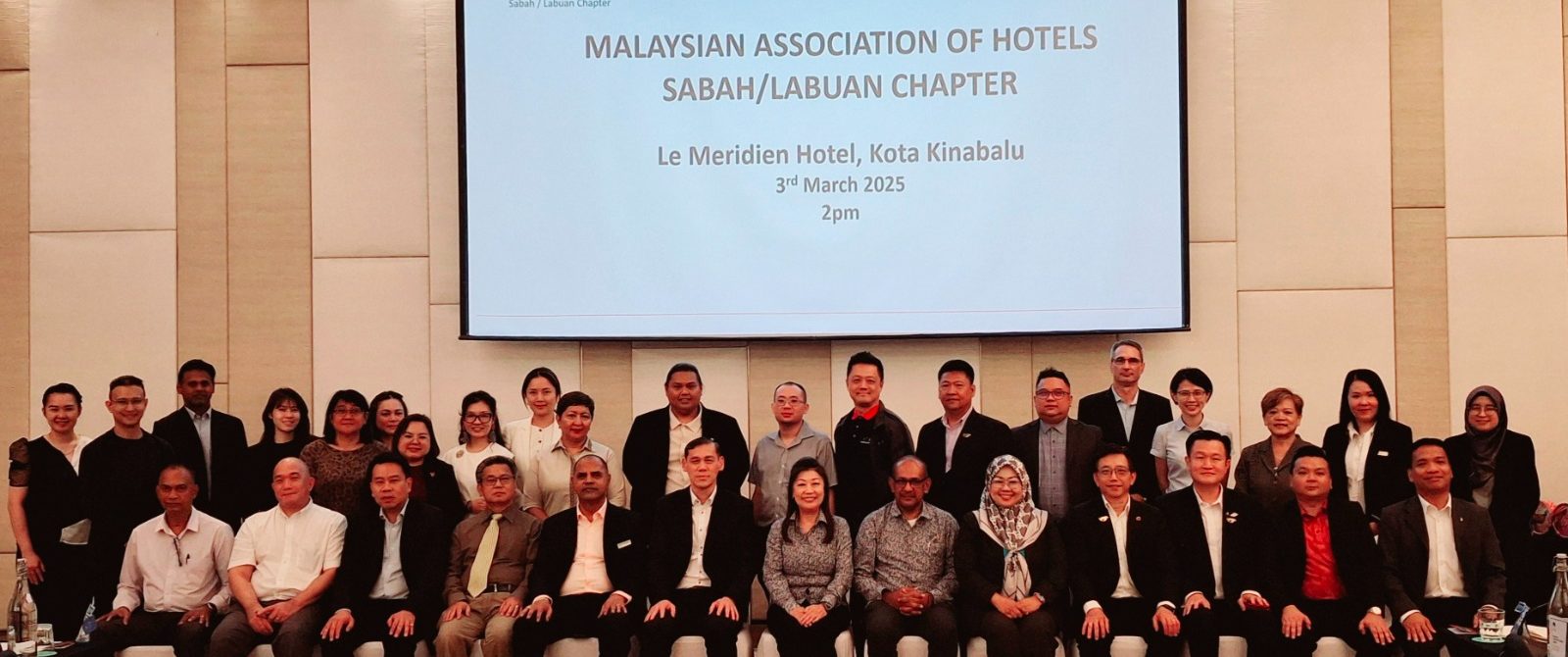
    Hafizan Wong, the Chairman of the Malaysian Association of Hotels (MAH) Sabah/Labuan Chapter, has voiced strong concerns over this drastic shift. He warns that such an increase could force hotels to cut services, lay off employees, or even shut down operations entirely. The situation is especially dire for mid-sized and budget hotels, which may not have the financial capacity to absorb the sudden spike in costs. Wong emphasizes that while hotels have always contributed to the city’s economy, this policy unfairly penalizes them while unregulated Short-Term Rental Accommodations (STRA) continue to operate without proper oversight.

    Datin Christina Toh, President of MAH, has also called for a fairer and more balanced approach. She acknowledges the importance of contributing to city upkeep but insists that lawful businesses should not bear the financial burden alone. Instead of imposing such hefty fees on licensed hotels, she urges the Kota Kinabalu authorities to address the lack of regulation in the STRA market first. According to her, real prosperity in the tourism sector can only be achieved when all accommodation providers are held to the same standards and financial responsibilities.

    This fee hike will have negative consequences on Kota Kinabalu’s tourism industry. Hotels may be forced to increase room rates to offset rising costs, making the city less attractive to both domestic and international tourists. With Malaysia already facing stiff competition from neighboring countries that offer more affordable accommodations, this move could drive travelers away. At the same time, the economic impact will extend beyond hotels, affecting local businesses such as restaurants, transportation providers, and tour operators. Job losses within the hospitality sector could also become a reality, particularly for small and mid-sized hotels that may not be able to absorb these costs.

    While it is understandable that the city wants to generate revenue for infrastructure and tourism development, the approach must be fair and sustainable. Instead of placing the financial burden solely on hotels, the government should prioritize closing regulatory gaps within the STRA market. By ensuring that all accommodation providers contribute to city upkeep and tourism development, authorities can create a balanced and equitable system.

    MAH has taken a proactive stance by calling for a suspension of the new fees until thorough discussions can take place. A fairer licensing structure that considers the realities of hotel operations, coupled with clear STRA regulations, is the way forward. The Sabah State Government must engage with industry stakeholders to craft policies that support growth rather than stifle it. If no action is taken, the consequences could be severe, not just for hotels but for the entire tourism economy of Kota Kinabalu.