The Hidden Clock: Why Immediate Medical Attention is Vital After a Head Impact
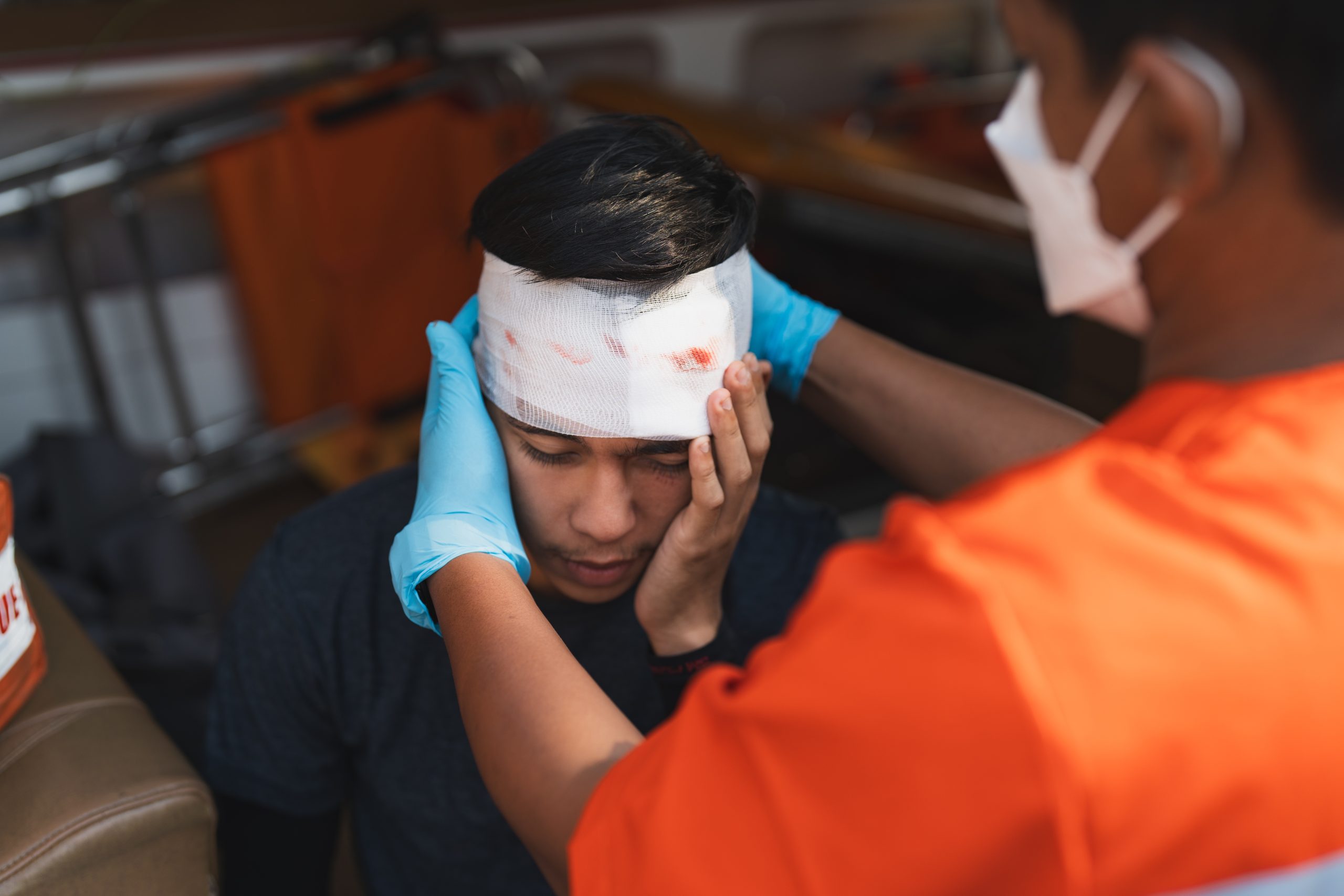
Despite the split-second nature of road accidents—with Malaysia recording over 220,000 incidents as of April 2026—the true damage to a human brain often operates on a much slower, deadlier timeline. The most treacherous aspect of head trauma is its ability to remain masked. A victim may walk away from a wreckage appearing perfectly fine, only to face a life-threatening crisis hours later as internal pressure builds within the skull.
The human brain is a delicate organ encased in a rigid, unforgiving container. During a collision, even one at low speed, the brain can strike the interior of the skull, causing microscopic cellular damage or ruptured blood vessels. Doctors distinguish between “primary” injuries—the immediate physical harm—and “secondary” injuries, which involve the brain swelling or bleeding in the aftermath. Because the skull cannot expand, any increase in volume from blood or fluid creates a “silent” spike in pressure that can eventually cut off vital oxygen and blood flow.
Identifying the shift from a minor bump to a major emergency requires vigilance. In the critical 24 to 48 hours following an accident, both victims and their families must watch for “red flags.” While a dull headache or slight confusion might seem manageable, they can be the precursors to more severe symptoms like slurred speech, persistent vomiting, limb weakness, or even seizures. Behavioral changes are equally telling; a sudden shift in personality, such as uncharacteristic irritability or extreme drowsiness, often indicates that the brain’s frontal lobe is under duress.
Modern medical intervention, utilizing advanced CT scans and MRI imaging, is the only definitive way to rule out internal trauma before it reaches a point of no return. Treatment strategies vary significantly depending on the severity, ranging from monitored rest to emergency neurosurgery. However, the stakes of ignoring a head injury extend far beyond the immediate recovery period. Untreated trauma is a known gateway to chronic cognitive issues and a higher susceptibility to neurodegenerative conditions like Parkinson’s or Alzheimer’s disease.
In the world of trauma medicine, the phrase “time is brain” serves as a stark reminder that every minute of delay increases the risk of permanent loss. Seeking a professional assessment immediately after a crash is not an overreaction—it is a necessary safeguard against a hidden injury becoming a lifelong tragedy.
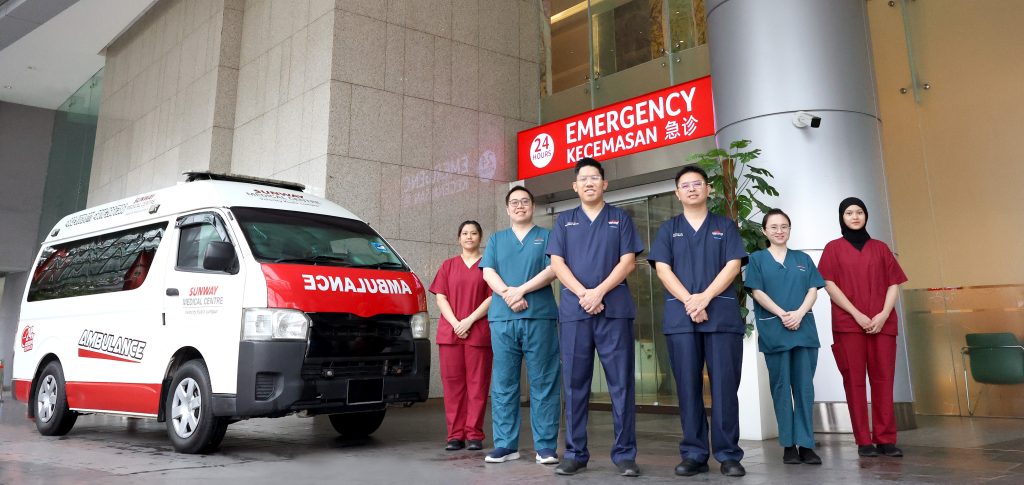
For those requiring expert neurological screening or emergency care, Sunway Medical Centre Velocity is located at Lingkaran SV, Sunway Velocity. For professional enquiries, please call +603 9772 9191 or contact smcv-enquiry@sunway.com.my. More information on specialized trauma care is available at www.sunwaymedicalvelocity.com.my or via their official Facebook page.