Category: Nutrition & Diet

  • Nestlé for Healthier Kids Marks 15 Years of Impact, Strengthening Nutrition Education for Malaysian Children Nationwide

    Nestlé for Healthier Kids Marks 15 Years of Impact, Strengthening Nutrition Education for Malaysian Children Nationwide

    As part of its commitment to promoting healthier lifestyles among young Malaysians, the Nestlé for Healthier Kids (N4HK) programme recently marked its 15th anniversary with a celebration at Sekolah Kebangsaan Jalan Empat in Bandar Baru Bangi. The event gathered representatives from the Ministry of Education Malaysia (MOE), the Nutrition Society of Malaysia (NSM), teachers, parents, and students to commemorate this milestone and reaffirm the strong partnership that has supported the programme’s impact over the years. Since its launch in 2010, N4HK has grown to become one of the nation’s longest-running school-based nutrition education initiatives, reaching more than 220,000 students across 865 schools nationwide.

    The programme equips children aged seven to twelve with essential knowledge on balanced nutrition, physical activity, and proper hygiene through interactive learning modules conducted by registered nutritionists. As N4HK looks towards the future, it aims to reach 500,000 primary school students by 2030, reinforcing its mission to help children and families build lasting healthy habits. The programme’s reach is further strengthened through N4HK PARENPRO, an initiative designed to involve parents and caregivers by bridging nutrition knowledge gaps and encouraging healthier choices at home. By combining school-based education with parental involvement, Nestlé ensures that nutrition learning is practical, consistent, and extends beyond the classroom environment.

    The children of SK Jalan Empat, Bandar Baru Bangi, taking part in fun nutrition education activities at the 15-year celebration of Nestlé’s N4HK Programme, together with [Far left] YM Raja Nurmaria Murni, Executive Director of Corporate Affairs, Nestlé Malaysia, and [Back row, second from right] En Suhaimee Bin Sulaiman, Chief Assistant Director, Student Affairs Management Sector, Daily School Management Division, Ministry of Education Malaysia

    YM Raja Nurmaria Murni, Executive Director of Group Corporate Affairs at Nestlé Malaysia, expressed that celebrating 15 years of N4HK is a significant milestone that reflects the thousands of children, parents, and educators who have benefitted from the programme. She emphasised Nestlé’s commitment to expanding its reach to half a million students by 2030 while deepening engagement with parents through N4HK PARENPRO. She reiterated that the overarching goal is to make good nutrition a practical and accessible part of daily life for all Malaysians.

    Highlighting Malaysia’s broader nutritional challenges, Ms. Wong Mei Ching, Group Corporate Nutrition Manager at Nestlé Malaysia, explained that the country continues to face a triple burden of malnutrition including undernutrition, overnutrition, and micronutrient deficiencies. National findings reveal that more than 90 percent of adults and children do not consume adequate fruits, vegetables, and whole grains. Calcium and vitamin D deficiencies remain widespread, while dietary fibre intake is significantly below recommended levels across all age groups. She noted that these nutritional gaps underscore the urgent need for balanced diets featuring nutrient-rich foods. Through the N4HK programme, Nestlé aims to instil healthier eating habits early in life while empowering parents with tools such as meal planning guidance, portion control tips, and engaging educational activities that support positive eating behaviours at home.

    Nestlé’s N4HK Programme equips primary school children with essential knowledge on balanced nutrition, physical activity and good hygiene through engaging interactive learning modules conducted by registered nutritionists.

    Professor Dr. Mahenderan Appukutty, President of the Nutrition Society of Malaysia, added that the organisation is proud to have collaborated with Nestlé and the Ministry of Education over the past 15 years. He emphasised that combining science-based nutrition knowledge with interactive learning enables children to understand the importance of balanced eating and active living, helping lay the foundation for a healthier future generation.

    The anniversary celebration featured a series of interactive activities designed for both parents and children. Parents participated in a nutrition talk led by an NSM registered nutritionist and engaged in hands-on sessions such as “Build Your Healthy Plate” and “Smart Swaps for Healthier Choices.” Children meanwhile enjoyed fun learning experiences that included nutrition-themed games, aerobics sessions, and a burger-making activity. These activities encapsulated the core intention of the N4HK programme to make nutrition education engaging, inclusive, and impactful for all ages.

    Commemorating 15 years of the Nestlé For Healthier Kids Programme (N4HK) fostering healthier lifestyles among young Malaysians, reaching over 220,000 students across 865 schools nationwide to date. [Front row, left to right] Pn Nisi Fazirawati, Senior Assistant for Co-Curriculum of SK Jalan Empat; En Azhar Bin Shafiei, Assistant District Education Officer, Student Affairs Unit, Hulu Langat District Education Office; En Suhaimee Bin Sulaiman, Chief Assistant Director, Student Affairs Management Sector, Daily School Management Division, Ministry of Education Malaysia; YM Raja Nurmaria Murni, Executive Director of Corporate Affairs, Nestlé Malaysia; and Professor Dr. Mahenderan Appukutty, President of the Nutrition Society of Malaysia, with students, parents and teachers of SK Jalan Empat, Bandar Baru Bangi.

    Aligned with Nestlé’s global ambition to help 50 million primary school students live healthier lives by 2030, the Nestlé for Healthier Kids programme continues to create meaningful and lasting impact. Through its efforts, Nestlé remains committed to supporting good health, nutritional wellbeing, and the development of healthier future generations in Malaysia.

  • “Stronger Metabolism, Stronger You: Simple Habits for Lifelong Wellness”

    “Stronger Metabolism, Stronger You: Simple Habits for Lifelong Wellness”

    Many people associate metabolism with calorie burning or weight loss, but its role is far more complex and essential to overall well-being. A healthy metabolism supports every aspect of how the body functions, how we feel each day, and even how we age. Dr. Luigi Gratton, Vice President of the Office of Health and Wellness and Chair of the Herbalife Nutrition Advisory Board, explains that small, consistent shifts in daily habits can significantly influence long-term wellness. He encourages individuals to adopt sustainable lifestyle changes that strengthen metabolic health from the inside out.

    Modern lifestyles often introduce a range of factors that gradually disrupt metabolic balance. Constant stress elevates cortisol levels, encouraging fat storage and affecting mood and energy. Diets high in processed foods commonly loaded with added sugars and low in fibre can weaken appetite control, undermine gut health, and interfere with insulin sensitivity. Long hours spent sitting at work or in traffic further reduce muscle activity, slowing the metabolic rate and creating energy imbalances that affect daily health and vitality.

    As Christmas and the holiday season approach, maintaining metabolic health becomes even more important. Global research shows that people tend to gain between 0.37kg and 1.89kg during festive periods, and Malaysians are likely to experience similar trends. However, incorporating small lifestyle adjustments related to nutrition, daily movement, and rest can help counter these effects. By fuelling the body with nutrient-dense meals, staying active, and prioritising sufficient sleep, individuals can support metabolic flexibility while still enjoying holiday treats and traditions.

    Dr. Luigi Gratton, Vice President, Office of Health and Wellness and Chair, Herbalife Nutrition Advisory Board.

    Nutrition forms the foundation of metabolic well-being. What we consume influences blood sugar regulation, hormone balance, fat metabolism, inflammation, and gut function. Lean proteins help build and maintain muscle mass, which supports a higher resting metabolic rate. Fibre-rich foods and nutrient-dense ingredients improve digestion, satiety, and blood sugar control. Natural botanicals such as polyphenols found in citrus fruits and capsicum in peppers also play a role in supporting metabolic processes. Dr. Gratton highlights that maintaining a balanced plate is less about strict rules and more about making consistent, nourishing food choices that sustain metabolic health.

    Food preparation methods also matter. Choosing steamed, boiled, stewed, baked, or lightly stir-fried dishes can help reduce unnecessary calorie intake. During festive buffets or Christmas gatherings, spreading food across the plate rather than stacking portions may help prevent overeating. These simple decisions can make holiday meals more enjoyable without compromising metabolic balance.

    Daily movement is another critical factor in supporting metabolic health. Physical activity helps regulate blood sugar, strengthens insulin sensitivity, and preserves muscle mass key elements in maintaining an efficient metabolic system. Adults are encouraged to engage in at least 30 minutes of moderate-intensity activity most days. For greater benefits, 60 minutes of moderate activity or 30 minutes of vigorous exercise can further boost metabolic resilience. Whether through structured workouts or brisk walks, regular movement plays a vital role in protecting long-term mobility and health, making every step a meaningful investment in the future.

    Rest and recovery are equally essential for maintaining a healthy metabolism. During sleep, the body recharges vital systems that regulate appetite, energy, and insulin function. Quality sleep improves hormonal balance by enhancing leptin, which signals fullness, and regulating ghrelin, which triggers hunger, while also reducing cortisol levels. Consistent sleep routines, reduced screen time before bed, and relaxing nighttime habits help improve sleep quality and strengthen overall metabolic regulation.

    Ultimately, metabolic health is the cornerstone of a vibrant and energetic life. It is built through mindful, consistent habits that support nutrition, movement, and restorative rest. Even during festive seasons, when indulgences and irregular routines are common, small daily efforts can make a meaningful difference. Science shows that modest, sustainable choices contribute significantly to long-term metabolic strength, helping individuals feel better today while safeguarding wellness for the future.

    To learn more about metabolic health and practical ways to improve it, audiences can explore Herbalife’s “The Breakdown Mini-Series” available on YouTube.

  • MAGGI® Inspires the Next Generation of Everyday Cooks with Interactive MSSCC Workshop

    MAGGI® Inspires the Next Generation of Everyday Cooks with Interactive MSSCC Workshop

    Recognising that skills and habits are formed through continuous practice rather than on competition day alone, MAGGI® has extended the MAGGI® Secondary School Cooking Competition (MSSCC) experience beyond the finals through an interactive workshop designed to continue the learning journey for students. Celebrating its 28th year, MSSCC serves as a platform to nurture young Malaysian students into confident and informed everyday cooks, instilling values and skills that go beyond cooking. The programme aims to develop lifelong competencies in balanced cooking, creativity and teamwork, and the workshop reflects MAGGI®’s commitment to sustaining this momentum even after the competition ends.

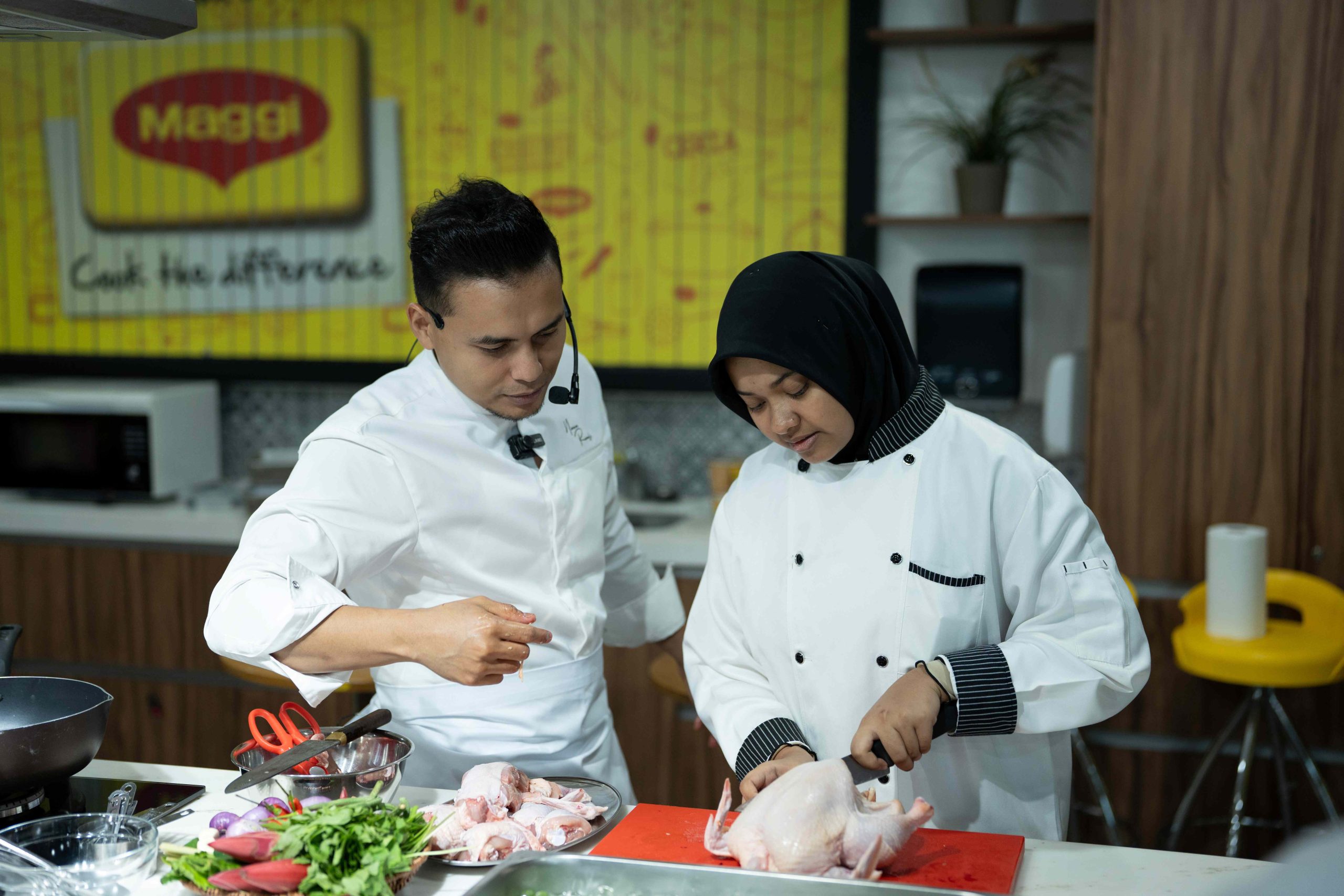
    The workshop brought together the five winning teams from MSSCC 2025, professional chefs and a Nestlé nutritionist for a full day of hands-on cooking demonstrations and engaging sessions. Students gained practical skills and insights into preparing balanced meals, reinforcing the core lessons learned during MSSCC. Nestlé Nutritionist Leong Ven Luan shared tips on making nutritious choices accessible and debunked common myths about healthy eating, aligning with MSSCC’s educational focus on balanced diets. MAGGI®’s Resident Chef, Sharifah Hamidah, demonstrated convenient, tasty and balanced recipes, showing students how to apply MSSCC principles in their daily cooking at home. Professional Chef Naem Ramli emphasised foundational kitchen skills, helping students strengthen their abilities and build confidence for their own culinary journeys. Adding inspiration to the workshop, Chef Ariff, a former MSSCC champion from 2016, shared how the competition and continued learning it fostered kickstarted his transition from student cook to professional chef.

    Promoting balanced eating and practical cooking while nurturing a healthier generation of young Malaysians remains a key focus of the workshop, especially as many youths struggle to maintain nutritious meals amid busy schedules. Chef Sharifah highlighted the importance of applying MSSCC values in real life, explaining that balanced eating does not have to be complicated or expensive. She noted that with creativity and proper fundamentals, anyone can cook meals that are tasty, balanced and budget-friendly, and that extending the MSSCC experience beyond competition day allows students to continue practicing these principles in their everyday lives.

    Students also expressed their appreciation for the workshop. Muhammad Amsyar Haikal bin Abdullah from SMK Belara, Kuala Terengganu, shared that learning directly from professional chefs and a nutritionist in a hands-on setting was eye-opening. He noted that the sessions provided essential techniques, including proper knife handling, preparing balanced meals, and understanding nutrition and healthy cooking habits. For him and his peers, MSSCC has had a lasting impact and continues to inspire them to put what they have learned into practice daily.

    Chef Naem Ramli, participating in the MAGGI® workshop for the first time, expressed his excitement at the opportunity to share knowledge and inspire young Malaysians. He highlighted that through hands-on experience, students not only learn kitchen skills, safety and hygiene, but also gain confidence and an appreciation for the importance of balanced cooking. By nurturing these habits from a young age, he explained, a generation can be shaped that values healthier and more mindful eating.

    Through sustained initiatives such as MSSCC, MAGGI® continues to demonstrate its dedication to cultivating a future generation of informed, capable and mindful everyday cooks, ensuring that the principles of balanced eating and practical cooking are carried forward into homes, families and communities across Malaysia. For more information on MAGGI® MSSCC 2025, please visit https://www.maggi.my/ms/memupuk-generasi-muda/.

  • Empowering Digestive Balance Amid a Hectic Lifestyle

    Empowering Digestive Balance Amid a Hectic Lifestyle

    The journey toward better health often feels overwhelming, especially with the pressure to make drastic lifestyle changes. Yet, according to Dr. Vipada Sae-Lao, Nutrition Education and Training Lead for Asia Pacific at Herbalife, improving our wellbeing frequently begins with simple, practical habits that can be maintained consistently. And at the centre of it all is the gut.

    Reintroducing traditional foods can play a powerful role in nurturing our digestive health an area Asian diets have naturally supported for generations. However, modern schedules and fast-paced living have shifted many food choices. Rice bowls are replaced by fast food; fibre-rich vegetables lose out to processed snacks; and nourishing herbal broths give way to sugary beverages.

    Studies indicate that this shift is widespread across Asia, and it coincides with increasing digestive concerns such as bloating, acid reflux, irritable bowel symptoms, and more severe digestive disorders. The Ministry of Health Malaysia (MOH) reported that diseases of the digestive system ranked among the top ten causes of hospitalisation in 2023, accounting for 6.43% of total cases. These diseases also ranked among the top ten causes of death in both public and private hospitals that same year. Dr. Sae-Lao emphasises that this is not meant to raise alarm but to encourage a moment of reflection an invitation to pause and consider what our bodies truly need, and how small choices can significantly improve long-term wellness.

    Dr. Vipada Sae-Lao, Nutrition Education and Training Lead – Asia Pacific, Herbalife.

    Understanding the digestive system’s role is essential. Often called the “second brain,” the gut maintains constant communication with the brain, influencing immunity, metabolism, mental health, and energy levels. It houses a diverse community of microorganisms that break down foods we cannot digest on our own, produce essential vitamins, and shield us from harmful germs. These microbes help strengthen the gut lining and support immune development, especially early in life.

    Paradoxically, one of the biggest obstacles to better gut health is the modern diet. Many foods commonly consumed today lack phytonutrients, dietary fibre, and essential nutrients such as potassium, magnesium, and vitamin D. Increasing intake of heavily processed foods, refined sugars, and unhealthy fats can disrupt the balance of the gut microbiome, potentially triggering inflammation and contributing to common digestive issues. Over time, this imbalance may increase the risk of more serious health conditions. Yet, the solution may be simpler than expected: understanding what our bodies need and turning to time-tested traditions that nourish rather than strain the gut.

    Although daily life has become increasingly hectic, adopting healthier habits remains practical and achievable. It is less about dramatic overhaul and more about small, conscious choices that gradually become sustainable routines. In fact, many Asian dietary traditions now backed by scientific research are naturally supportive of digestive health. Meals rich in vegetables, whole grains, legumes, and fermented foods provide fibre, healthy fats, and essential nutrients that benefit the gut, heart, and overall wellbeing. Cooking methods such as steaming, boiling, grilling, and stir-frying help reduce unnecessary oils while preserving nutrients. Probiotic-rich foods like kimchi, miso, yogurt, pickles, and kombucha further support immune strength and microbial balance. Herbs and spices such as ginger, turmeric, garlic, and fennel not only enhance flavour but also contribute digestive and medicinal benefits.

     Move every day to boost digestion, energy, and balance.

    For those who struggle to consume adequate fibre from fruits and vegetables, convenient options can help bridge the gap. Herbalife Mixed Fibres with Inulin Powder Drink, for instance, provides both soluble and insoluble fibre to support healthy digestion and the growth of beneficial bacteria.

    Equally important are mindful eating practices, long embedded in many Asian cultures. Eating attentively by moderating portion sizes, chewing thoroughly, savouring each bite, and avoiding distractions allows the body to activate digestive enzymes more effectively. These habits enhance nutrient absorption and support healthy communication between the gut and brain, helping regulate hunger and fullness cues.

    Traditional diets centre on balance, care, and connection. Understanding how different foods affect our unique bodies is a meaningful first step. Research shows that individuals respond differently to the same foods depending on their gut bacteria, suggesting that one-size-fits-all diets may not be effective in the long term. Personalised nutrition takes these differences into account, helping people choose foods that enhance digestion, reduce inflammation, and support long-term health.

    Taking extra care with what you buy can make all the difference to your gut health.

    Combining traditional food wisdom with modern practical habits can help rebuild a lifestyle that is both nourishing and sustainable. Strategies such as planning weekly meals, batch cooking, and preparing ingredients ahead of time can make healthy choices easier on busy days and reduce decision stress.

    Small daily habits also play a significant role in strengthening digestive health. Staying hydrated, engaging in physical activities you enjoy whether it’s a gym workout, a walk, or a stretch session and prioritising quality sleep all contribute to the body’s natural healing processes.

    Great change often begins with the smallest steps. Swap one meal. Slow down for one mindful bite. Notice what feels good. As Dr. Sae-Lao reminds us, your gut can guide you if you listen closely.

  • “Empowering Malaysians to Take Charge: Preventing Diabesity Through Smarter Daily Habits”

    “Empowering Malaysians to Take Charge: Preventing Diabesity Through Smarter Daily Habits”

    Taking charge of one’s health has never been more critical as diabetes continues to rise across the Asia-Pacific region. The escalating trend has placed APAC on track to become the largest contributor to the global economic burden of diabetes by 2030. In Malaysia, the 2023 National Health and Morbidity Survey (NHMS) reported that 15.6% of adults aged 18 and above are currently living with diabetes, with nearly two in five cases remaining undiagnosed. The prevalence of known diabetes has also climbed steadily, reaching 9.7%, underscoring the urgency of early awareness and intervention.

    The NHMS 2023 results further highlighted that 54.4% of Malaysian adults are overweight or obese, a worrying statistic given that obesity is one of the most significant yet modifiable risk factors for type 2 diabetes. Excess weight can disrupt the body’s ability to respond to insulin efficiently, setting off a chain of reactions that lead to elevated blood sugar levels and, eventually, insulin resistance. According to Dr. Alex Teo, Director of Research Development and Scientific Affairs for Asia Pacific at Herbalife, the risks are intensified by the region’s fast-paced, urban lifestyles that often revolve around long working hours, irregular meals, and stress-induced snacking on high-calorie treats.

    Dr. Teo also emphasised the alarming rise of childhood obesity in Malaysia, pointing out that one in three children aged five to seventeen is now overweight or obese. Early onset obesity exposes children to lifelong health challenges, including the heightened risk of type 2 diabetes and other chronic conditions. He added that some individuals may appear to be of normal weight but still carry excessive internal fat, a condition known as “TOFI” (thin outside, fat inside), which is particularly common among Asians with low protein intake and sedentary routines. Type 2 diabetes can remain silent in the early stages, meaning individuals may unknowingly live with elevated blood sugar levels without any visible symptoms.

    Addressing the growing challenge of “diabesity” the simultaneous occurrence of diabetes and obesity requires early lifestyle interventions before these risk factors evolve into more serious complications. Making small, mindful changes in daily routines can create meaningful improvements in insulin sensitivity and help lower the overall risk of developing diabetes. One of the first steps involves adopting smarter eating habits, beginning with simple dietary adjustments that support long-term health.

    Nutrition plays a fundamental role in preventing and managing type 2 diabetes. High-glycaemic foods such as sugary snacks and white bread can cause rapid spikes in blood sugar, which, over time, contribute to insulin resistance. Reducing the intake of sugary beverages, including popular bubble teas, can make a substantial difference. Tapioca pearls significantly increase calorie load and glycaemic index, worsening weight gain, blood pressure control, and diabetes. Opting for whole grains, fibre-rich vegetables, and fruits helps stabilise blood sugar levels by slowing sugar absorption while enhancing digestion and promoting satiety. By prioritising nutrient-dense whole foods and cutting down on heavily processed choices, individuals can better manage diabetes and maintain healthy metabolic function.

    In addition to healthier eating, targeted nutritional support can play an important role in improving metabolic health. Key nutrients such as protein, omega-3 fatty acids, and magnesium contribute significantly to weight management and blood sugar regulation. Protein increases satiety and boosts metabolism, helping the body burn more calories during digestion. Omega-3 fatty acids, commonly found in fish like salmon, help reduce inflammation and improve insulin sensitivity. Magnesium supports glucose metabolism, blood pressure regulation, and muscle function, making it easier for individuals to stay active and manage their weight effectively.

    Lifestyle choices remain equally vital in preventing and managing type 2 diabetes. Regular physical activity ideally 150 minutes of moderate exercise per week supports healthy weight management and enhances insulin sensitivity. For individuals with demanding schedules, simple activities such as desk stretching or brisk walks before and after meals can still make a significant impact on blood sugar stability. These small steps not only strengthen the body but also improve energy levels and overall well-being. At the same time, addressing poor sleep and chronic stress is crucial, as both factors can disrupt metabolic processes and increase the risk of diabetes. Mindfulness practices, deep-breathing exercises, and quality rest can help regulate stress hormones and support healthier metabolic outcomes.

    Managing health amidst the pressures of modern life may feel overwhelming, but small and consistent changes can lead to meaningful improvements. Preventive care, early detection, and daily habits built around good nutrition, regular movement, adequate rest, and stress management remain essential to achieving better long-term outcomes in diabetes prevention.

  • Men, Let’s Talk Cancer: The Top 3 Deadliest Types Every Man Needs to Know

    Men, Let’s Talk Cancer: The Top 3 Deadliest Types Every Man Needs to Know

    Late nights, fast food, long working hours, and little exercise have become common for many men, but these habits are quietly contributing to a worrying health trend. According to the Malaysia National Cancer Registry Report 2017–2021, the lifetime risk of Malaysian men developing cancer has risen from 1 in 10 to 1 in 8, with colorectal, lung, and prostate cancers topping the list. While genetics play a role, lifestyle choices remain the biggest factor. “Only about five to ten percent of cancers are hereditary,” explains Dr Hafizah Zaharah Ahmad, Consultant Clinical Oncologist at Sunway Medical Centre Velocity (SMCV). “For the majority, our daily habits — what we eat, how active we are, and our commitment to screenings — make the biggest difference.”

    Modern lifestyles often foster habits that silently harm long-term health. Prolonged sitting, processed diets, and limited physical activity can lead to obesity, chronic inflammation, and hormonal imbalances, creating conditions conducive to tumor growth. High intake of processed and red meats further compounds the risk, yet many men dismiss early warning signs due to social stigma or embarrassment, particularly regarding urinary or reproductive health. Dr Goh Cheng Hood, Consultant Urologist at SMCV, warns that such hesitation can result in late-stage diagnosis, limiting treatment options and reducing survival chances.

    Colorectal cancer, the most common cancer among Malaysian men, often begins as small polyps that may turn cancerous over 5–10 years. Diets low in fiber and high in red or processed meats, along with physical inactivity and smoking, increase risk. Early detection through colonoscopy significantly improves outcomes, while dietary and lifestyle adjustments — including reducing red meat and quitting smoking — can lower risk.

    Lung cancer, closely linked to smoking, remains one of the deadliest cancers among men. Exposure to carcinogenic chemicals damages DNA and triggers inflammation, yet early symptoms such as cough or fatigue are often ignored, with over 95% of cases diagnosed at advanced stages.

    Dr. Hafizah Zaharah

    Prostate cancer develops slowly, often mimicking benign prostate enlargement and remaining asymptomatic until later stages. Men over 58, those taking testosterone supplements, or carrying the BRCA2 gene face higher risk. Regular screening with the Prostate-Specific Antigen (PSA) blood test, starting from age 50 (or 40 for high-risk individuals), allows early detection and can extend life expectancy by up to 15 years in early-detected cases.

    Experts stress that cancer prevention is largely within one’s control. Maintaining a balanced diet rich in fruits, vegetables, and whole grains, exercising regularly, staying hydrated, managing stress, avoiding smoking, and limiting alcohol intake all support healthy cell function and reduce cancer risk. Combining healthy lifestyle habits with timely screenings such as colonoscopy, low-dose CT scans for smokers, and annual health checks can detect abnormalities early, when treatment is most effective.

    Dr. Goh Cheng Hood

    While cancer rates among Malaysian men continue to rise, awareness, prevention, and early action offer the strongest defense. Sunway Medical Centre Velocity continues to champion men’s health through multidisciplinary care and public education, emphasizing that taking charge of one’s wellbeing today is the key to a longer, healthier future. For more information, visit www.sunmedvelocity.com.my or contact SMCV at +603 9772 9191.