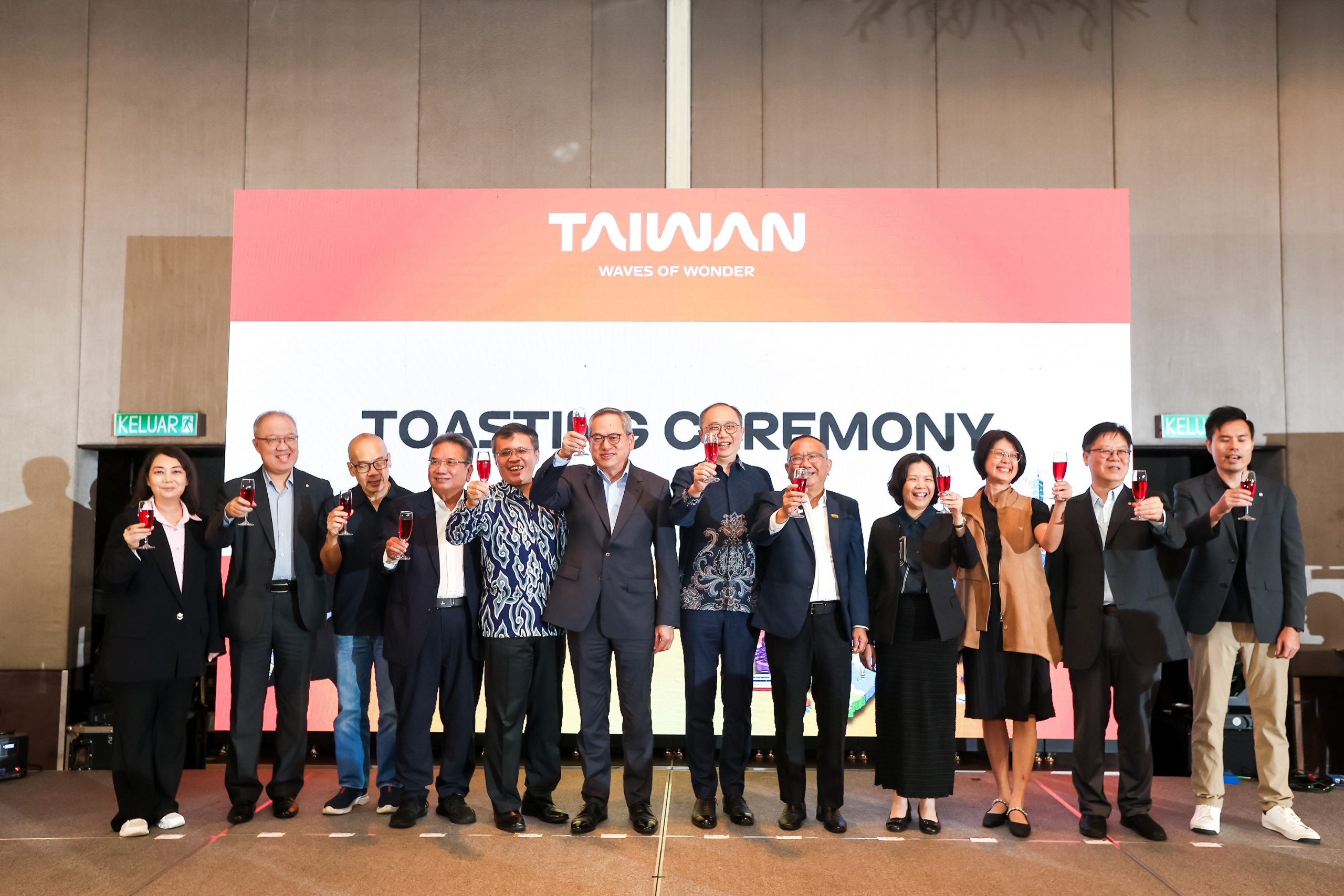
Taiwan is moving away from generic, mass-market tourism to position itself as a premier destination for Malaysia’s high-spending luxury and faith-conscious Muslim travelers. Through highly specialized B2B workshops held at The Westin Kuala Lumpur, the Taiwan Tourism Administration unveiled an intentional roadmap designed to capture these lucrative, high-yield traveler segments.
With Muslims making up nearly 70% of Malaysia’s population, Taiwan has spent years quietly investing in its infrastructure to cater to this market. The delegation proudly showcased Taiwan’s milestone achievement of securing 4th place among non-OIC (Organization of Islamic Cooperation) destinations in the 2025 Mastercard-Crescent Rating Global Muslim Travel Index (GMTI). This ranking serves as global verification of Taiwan’s robust network of halal-certified dining, verified hotels, and accessible prayer facilities integrated into major transportation hubs and national scenic areas.
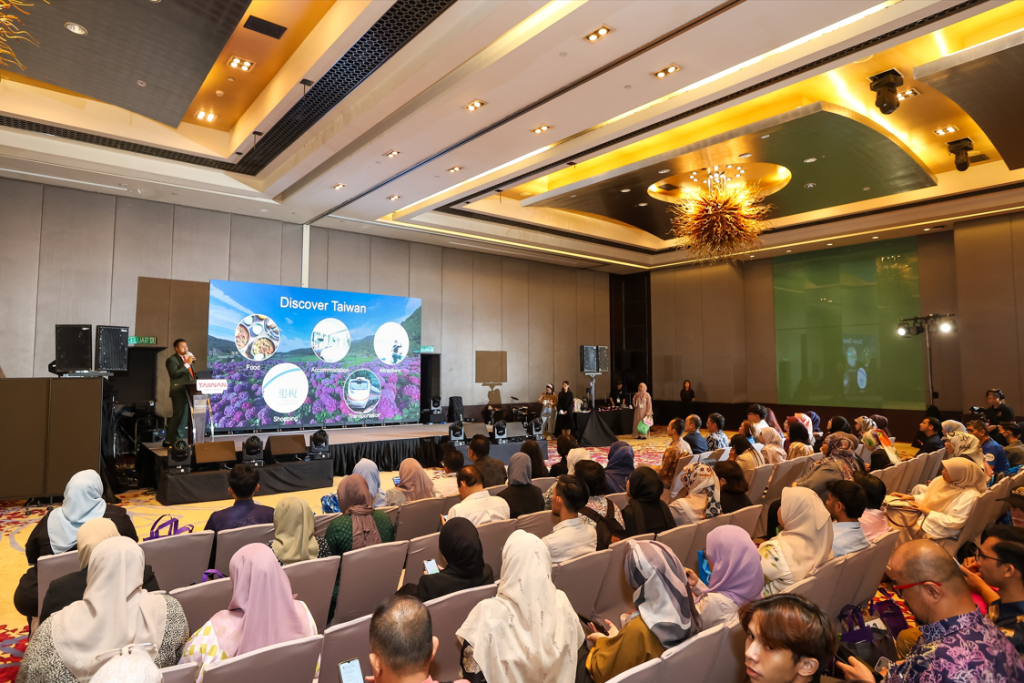
To bridge cultural connections, Taiwan is deploying soft-power marketing strategies tailored to local lifestyles. Abe Chou, Director of the Taiwan Tourism Administration’s Kuala Lumpur Office, announced that the agency will heavily utilize local influencer (KOL) marketing alongside romantic comedy films and family-oriented variety shows. This media strategy aims to highlight Taiwan’s world-class culinary scenes and diverse landscapes while reinforcing its identity as a warm, safe, and culturally reassuring destination for Muslim families.
Simultaneously, Taiwan is targeting the affluent Malaysian Chinese traveler segment with a deliberate focus on premium and repeat visitors. Recognizing strong existing cultural links, the new approach ditches rigid, budget-friendly itineraries for deeply curated, differentiated themed experiences. These high-end packages focus on local cultural immersion, artisanal food scenes, and bespoke scenic travel, catering to seasoned travelers looking for depth rather than standard sightseeing.
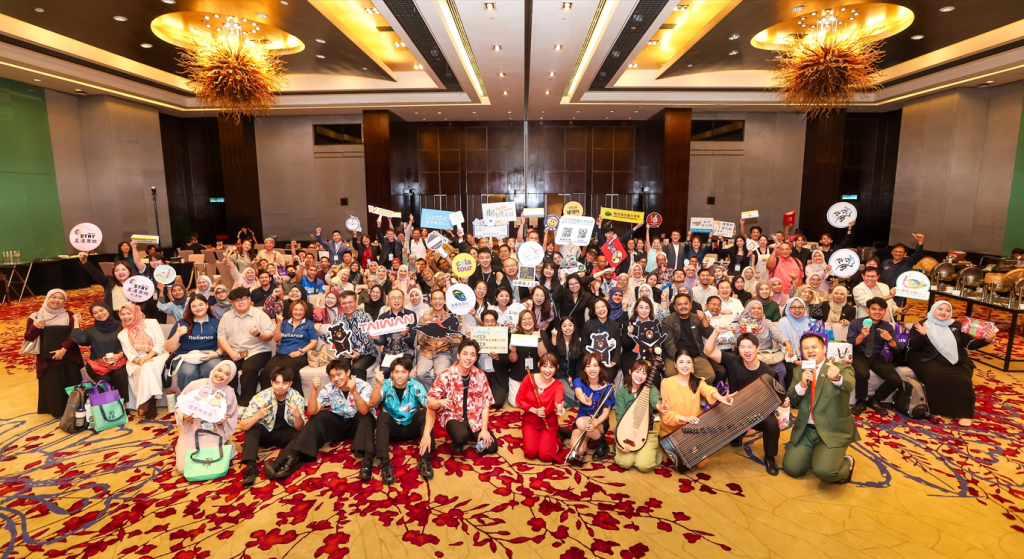
The strategic shift is backed by substantial commercial momentum. A recent consumer travel fair in Penang attracted over 10,000 visitors and drove an immediate wave of holiday bookings. On the trade side, the Kuala Lumpur B2B workshops brought together more than 100 Malaysian operators and facilitated 5,000 structured business-matching sessions.
Backed by structural advantages like long-standing visa-free entry, short flight times, and a global reputation for safety, Taiwan’s localized strategy is expected to yield immediate results, with local travel agents already scheduling a steady pipeline of premium and family tour groups to the island in the coming months.