





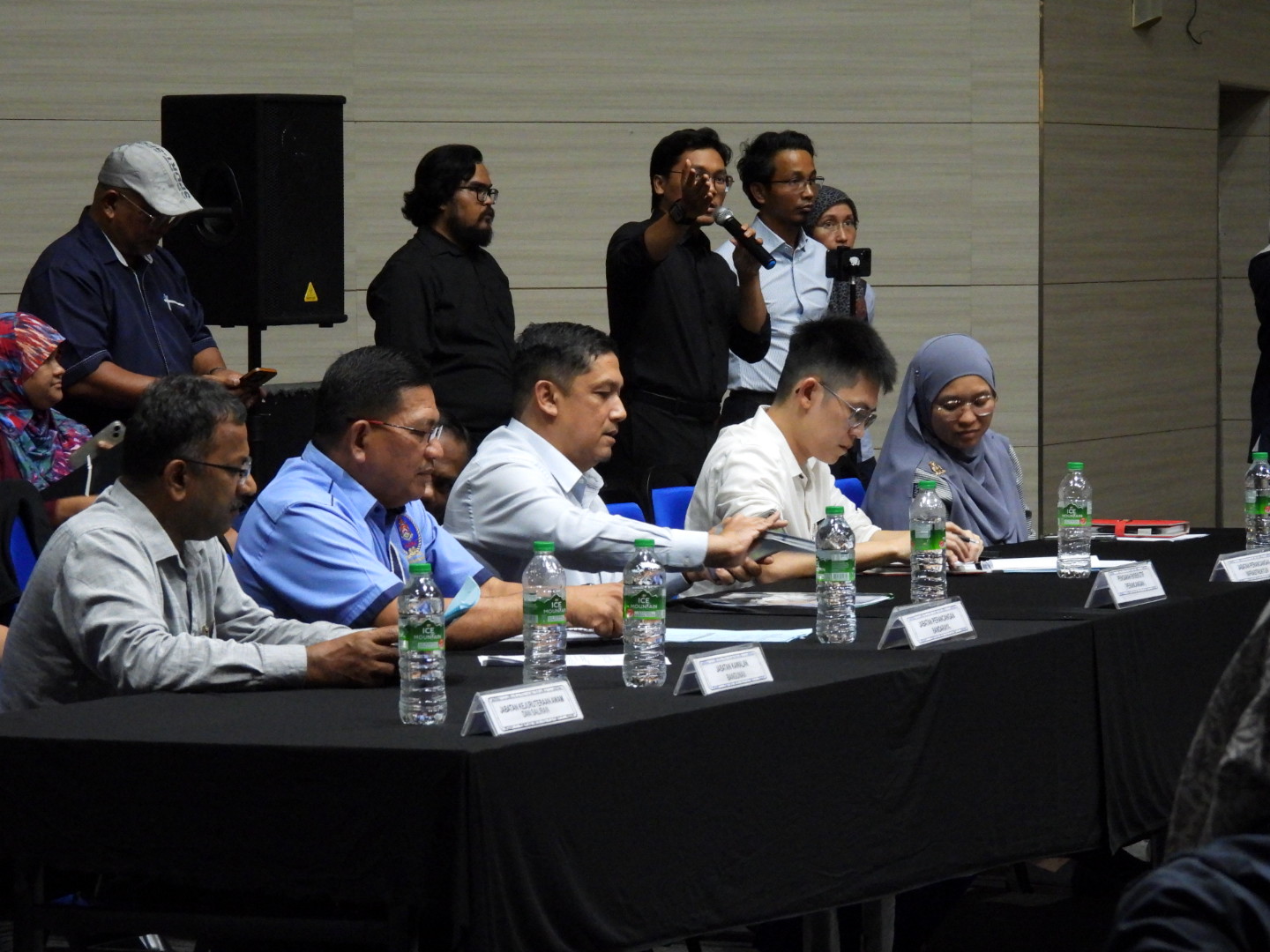
Concerns over Bukit Damansara’s changing landscape continue to grow as residents accuse Kuala Lumpur City Hall (DBKL) of allowing unchecked development and overlooking the neighbourhood’s heritage. During a community engagement session held at the Bukit Damansara community centre yesterday, long-time resident and ASEAN India Business Council adviser, Datuk Bhupat Rai Premji, voiced frustration over what he described as poor planning and unsustainable development practices in the area.
Bhupat, who has lived in Bukit Damansara for decades, reminded authorities that the neighbourhood was originally developed for senior government officers nearing retirement. “This land was bought by the Finance Ministry to provide dignified homes for public servants who spent their lives serving the nation. That purpose has been lost,” he said.
Also present at the session were Bukit Damansara Residents Association chairman Datuk Ahmad Suffian Abdul Majid and Setia Kasih Bukit Damansara Residents Association president Zuhairah Ali, who echoed similar concerns about the area’s rapid transformation.
While residents acknowledged that development is inevitable, Bhupat stressed that it must be accompanied by responsible planning. “We are not rejecting development. Landowners have the right to develop, but it must be done sustainably with sensible plot ratios, building heights, and infrastructure that can support growth,” he emphasised.
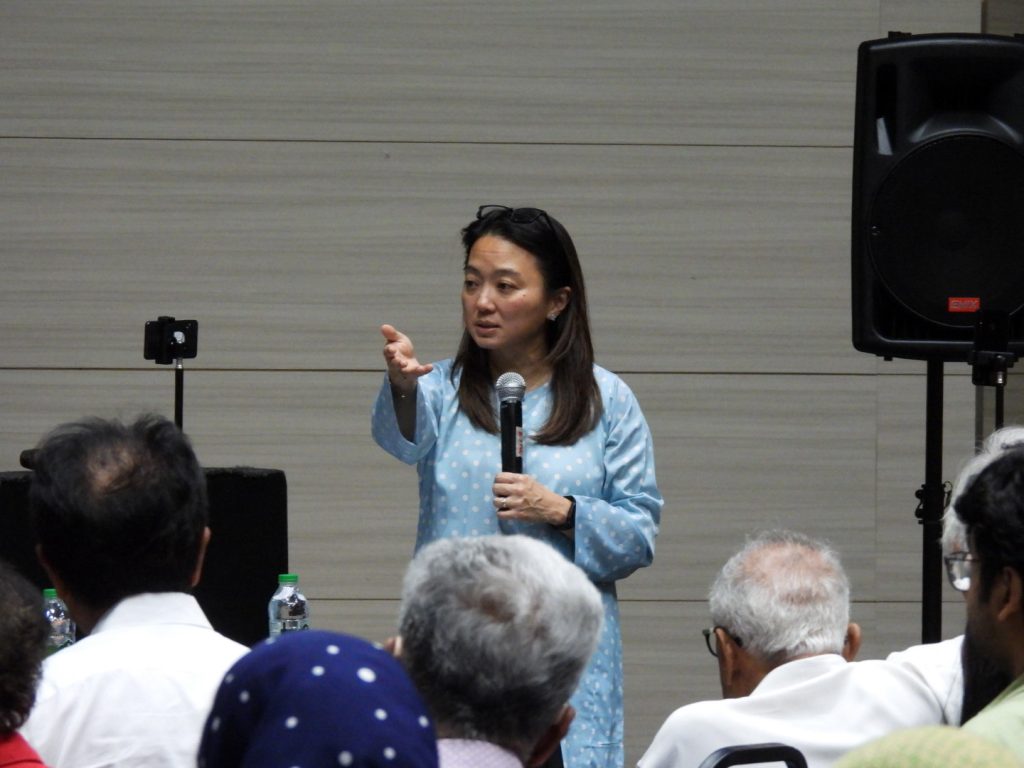
He cited the Pavilion development as an example of poor urban planning, highlighting its impact on daily traffic. “Traffic congestion around Bukit Damansara and Jalan Semantan has worsened dramatically since Pavilion was built. Roads that once flowed smoothly have become bottlenecks, and during rain, a single-lane exit can trap drivers for nearly an hour. It’s clear that planning went wrong,” he said.
Bhupat also criticised DBKL’s tendency to compare Kuala Lumpur’s development model with denser cities like Hong Kong and Singapore. “They compare us to Hong Kong and Singapore, but the context is completely different. We have more land and the opportunity to develop wisely while maintaining greenery. Why aren’t we making use of that advantage?” he questioned.
He further raised concerns about the approvals granted for major developments, calling for greater accountability among decision-makers. “Authorities who approved these projects must come to the ground and see the impact for themselves. Development cannot be driven solely by the interests of big developers,” he said.
According to Bhupat, residents are ultimately the ones left to deal with the consequences of poor planning. “We pay taxes and assessments, yet we bear the effects of congestion, reduced green spaces, and overstretched infrastructure. That is simply unfair,” he added.
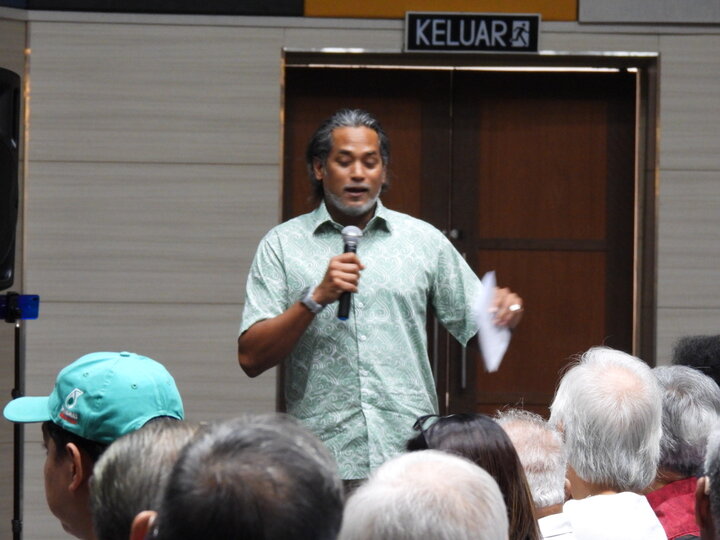
Aside from these criticisms, residents also raised worries over other issues affecting neighbourhood harmony. One key concern highlighted by residents’ representative, Dr Barkeh Hanim Jumaat, involved the development of a liquor-selling premises allegedly located near the residential area. According to her, the matter only came to light after residents noticed a notice of application to sell liquor, issued by the Federal Territories of Kuala Lumpur Excise Licensing Board, which had been posted by the property owner on the wall of the residence last Sunday.
Residents strongly objected to the move, fearing that alcohol sales activities could disrupt the neighbourhood’s peaceful environment. “At the moment, the house is undergoing major renovation works. We strongly object because we refuse to see our residential area turn into what has happened in Bangsar. Is a pub going to emerge in our housing area? That is what haunts our thoughts,” she said.
The engagement session ended with residents urging DBKL to adopt more balanced planning strategies, protect the neighbourhood’s heritage, and restore the identity of Bukit Damansara while still allowing for future growth.