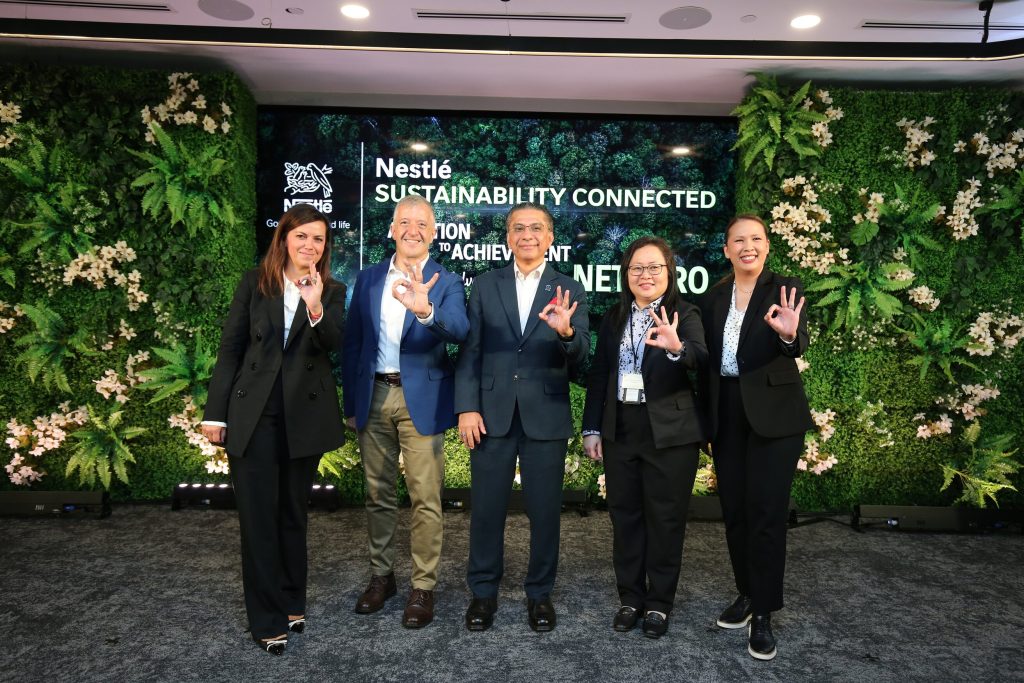
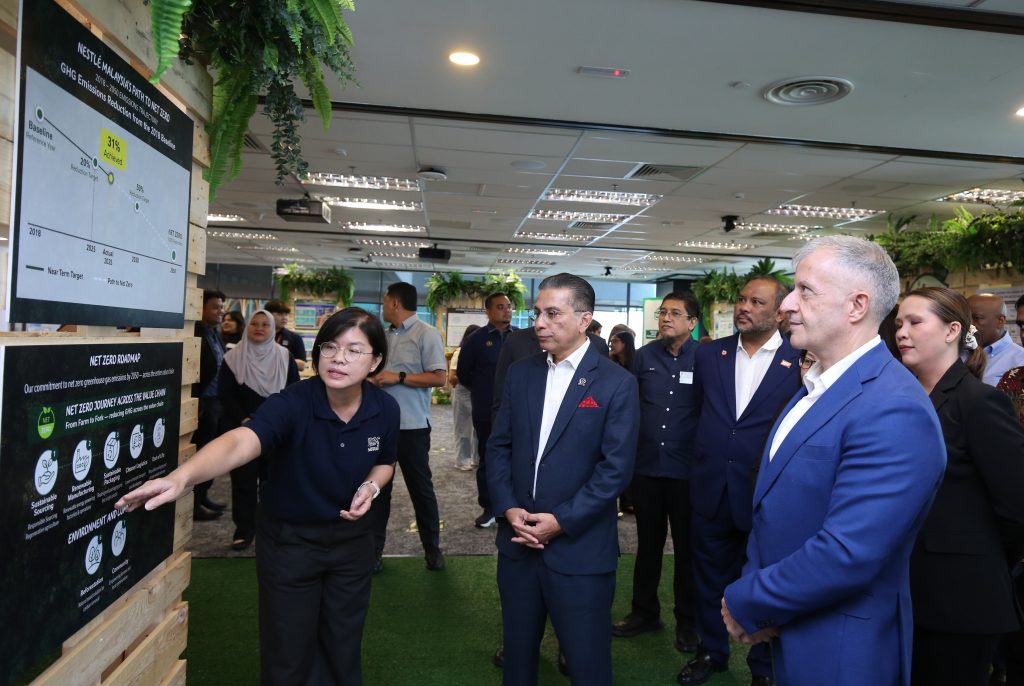
Nestlé Malaysia has achieved a 31% reduction in greenhouse gas (GHG) emissions against its 2018 baseline, surpassing its interim target of 20% by 2025 and strengthening its progress towards achieving Net Zero emissions by 2050.
The milestone reflects years of sustainability initiatives implemented across the company’s operations and value chain. Key efforts include transitioning to 100% renewable electricity, improving manufacturing efficiency, supporting regenerative agriculture, adopting more sustainable sourcing practices and advancing circular packaging solutions.
The achievement also aligns with Malaysia’s broader climate ambitions following the country’s submission of its third Nationally Determined Contribution (NDC 3.0) to the United Nations Framework Convention on Climate Change in October 2025. The updated commitment outlines Malaysia’s next steps towards its long-term aspiration of achieving net zero greenhouse gas emissions by 2050, highlighting the important role of businesses in supporting the national climate transition.
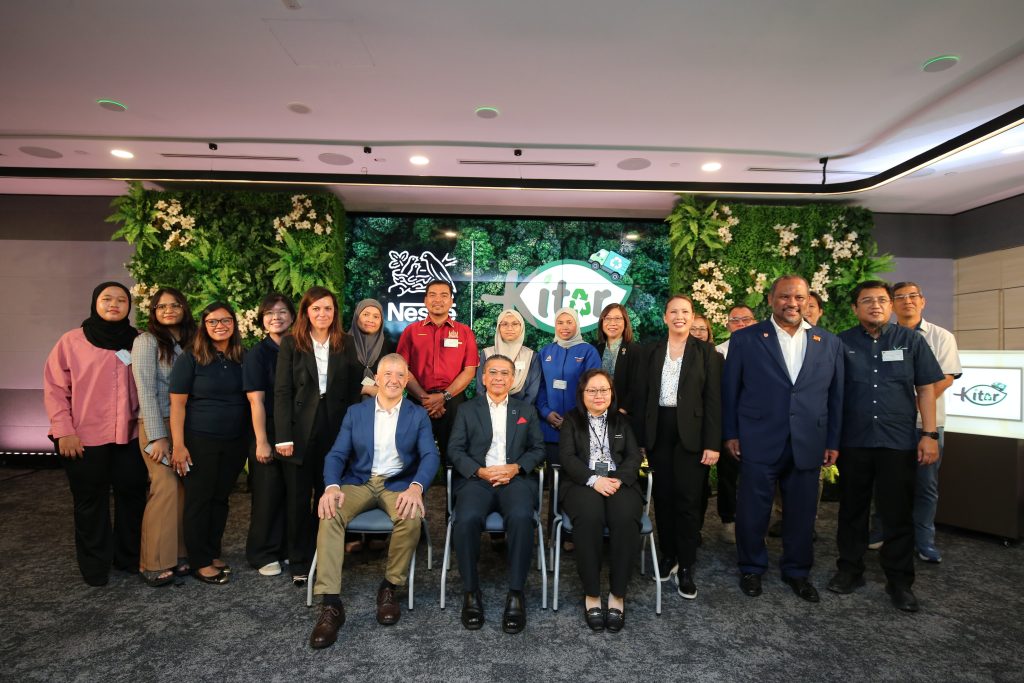
Nestlé Malaysia Chief Executive Officer Juan Aranols said the 31% reduction represented an important milestone that reflected years of commitment from the company’s teams and partners across Malaysia. He added that sustainability remains integral to the company’s approach to creating shared value, covering areas such as renewable energy, responsible ingredient sourcing, packaging, ecosystem restoration and community programmes.
Deputy Minister of Natural Resources and Environmental Sustainability, YB Tuan Syed Ibrahim bin Syed Noh, also welcomed the contribution of businesses towards Malaysia’s national climate goals. He noted that achieving the country’s climate commitments would require strong collaboration between the public and private sectors, while initiatives such as those undertaken by Nestlé Malaysia demonstrated how emissions reduction could be integrated into business operations while supporting long-term economic growth.
At the regional level, Nestlé S.A. Assistant Vice President and Head of Sustainability for Zone Asia, Oceania & Africa, Katarzyna Grzybowska, highlighted Malaysia’s progress as an example of how global sustainability ambitions could be translated into meaningful local action. She emphasised that achieving significant emissions reductions required sustained investment, long-term commitment and collaboration throughout the value chain.
The milestone was announced during the “Nestlé: Sustainability, Connected” event, which brought together the various pillars of Nestlé Malaysia’s sustainability journey. The company continues to work with local suppliers and farmers to encourage sustainable practices and regenerative agriculture, while maintaining its transition to renewable electricity and improving manufacturing efficiency across its Malaysian operations.
Nestlé Malaysia is also working to reduce the environmental impact of packaging by lowering its reliance on virgin plastic, improving packaging design, increasing the use of recycled PET and strengthening post-consumer material recovery. During the event, the company unveiled Nestlé KITAR, the refreshed platform for Project SAVE (Segregate, Avoid, Value, Educate), which has recovered and recycled 50,000 tonnes of dry mixed material to date, including 32,000 tonnes of plastics.
Beyond its business operations, Nestlé Malaysia is extending its sustainability efforts into local communities through programmes such as MILO Energy for Good. The initiative has reached more than 200 schools through recycling education and the transformation of used beverage cartons into school furniture and sports equipment, demonstrating how recovered materials can be reused for meaningful community benefits.
The company is also continuing its reforestation efforts through Project RELeaf. After completing the planting of three million trees across Malaysia, Nestlé Malaysia has committed to planting another three million trees by 2030, contributing to biodiversity conservation and strengthening long-term climate resilience.
With its 2025 interim climate target already surpassed, Nestlé Malaysia is now focused on achieving its next major milestone of reducing GHG emissions by 50% by 2030. The company’s ongoing efforts across operations, sourcing, packaging, ecosystems and communities form part of its broader journey towards Net Zero emissions by 2050.