For many frontline healthcare workers, clinical questions present themselves naturally in daily ward rounds and outpatient clinics. Yet transforming an astute bedside observation into a rigorous, peer-reviewed trial often proves daunting. BREGO Life Sciences’ newly launched Powering Mobility: RISE Program tackles this exact challenge by offering structured mentorship and evaluation for Malaysian medical officers.
Data from local tertiary public hospitals highlights an urgent need for this intervention. While specialist awareness of the necessity of research is universal, fewer than half of surveyed doctors actively engage in investigation. Frontline physicians frequently encounter steep hurdles, including lack of formal statistical training, unfamiliarity with bioethics committee workflows and tight operational bandwidth.
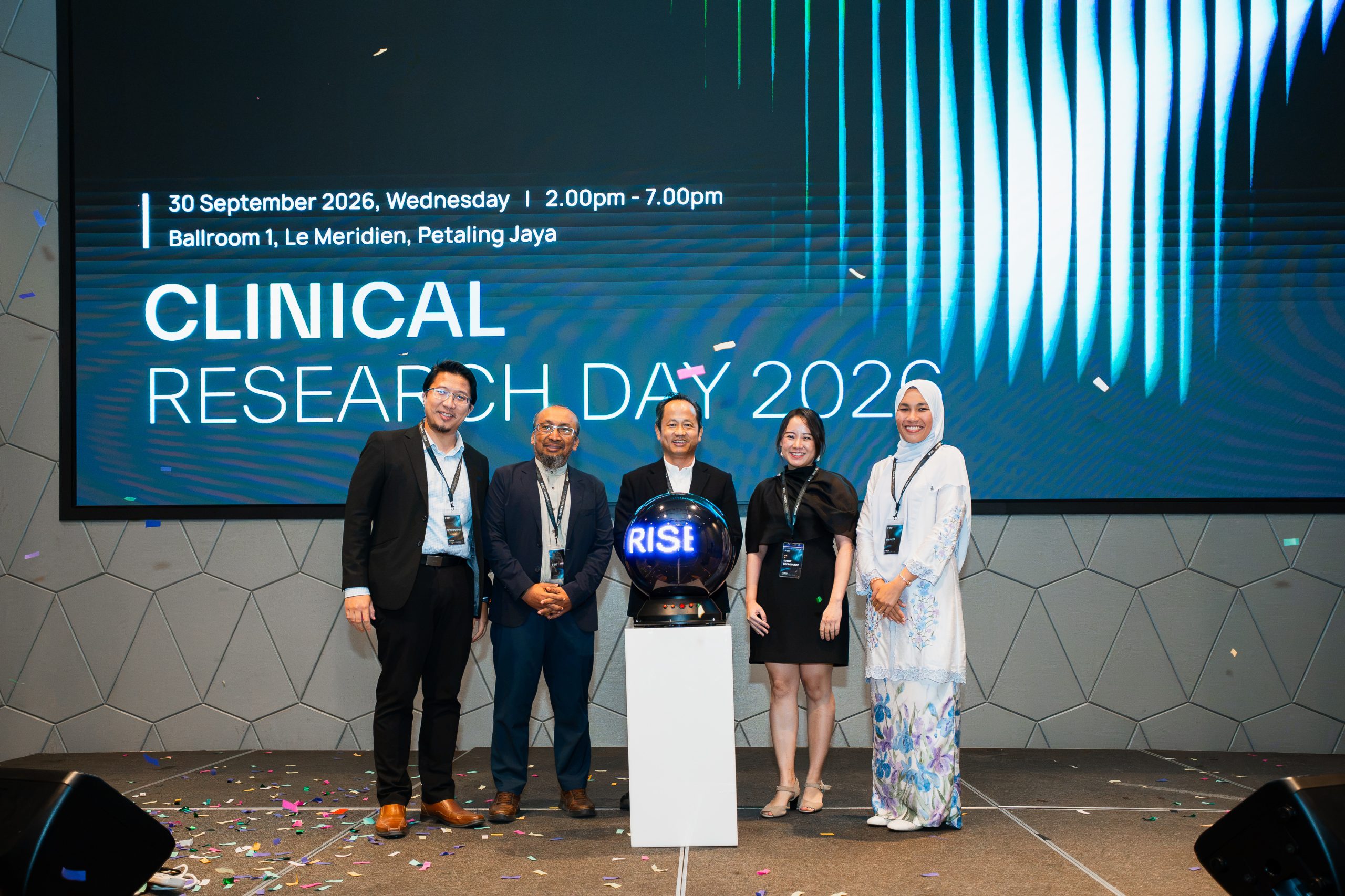
To lower these barriers, RISE (Research, Innovation & Scientific Excellence) pairs structured submission pathways with practical capacity-building. Running in tandem with the inaugural BREGO Clinical Research Day, the initiative brought together senior clinician-investigators alongside key officials from the Ministry of Health Malaysia’s Clinical Research Centre (CRC) and Medical Research and Ethics Committee (MREC).
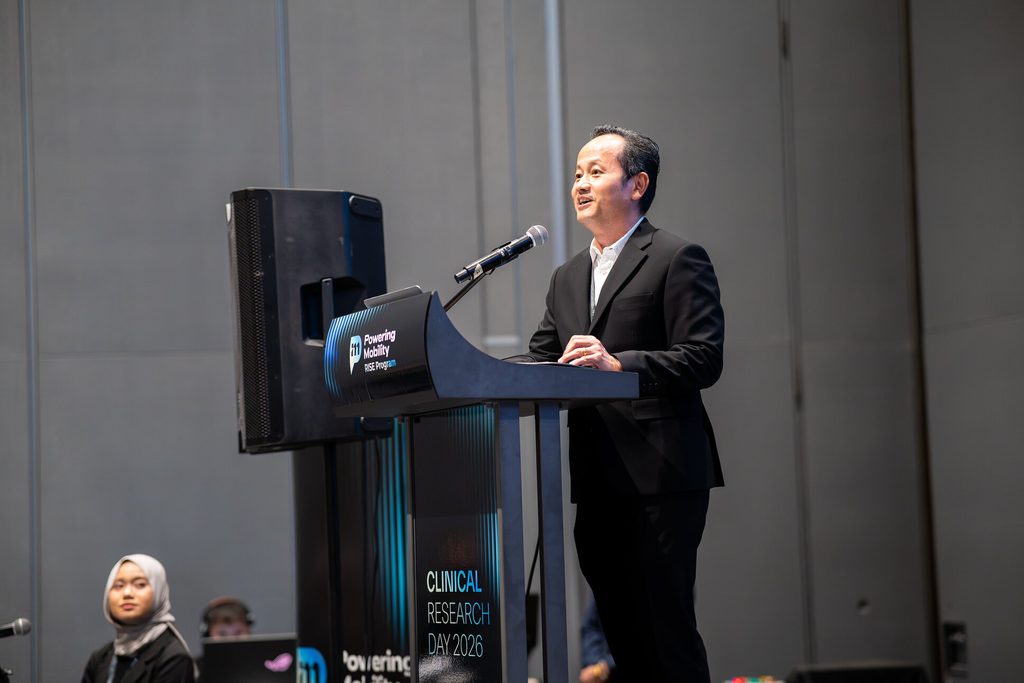
Dr. Tay Ju Fan, Manager of the Clinical Research Centre at Hospital Selayang, highlighted that nurturing grassroots inquiries is vital for building a resilient national healthcare ecosystem. He noted that programs like RISE complement public sector programs such as the National Institutes of Health (NIH) and Institute for Clinical Research (ICR) “Introduction to Clinical Research” courses by giving doctors direct pathways to take concepts through regulatory approvals and data analysis.
The program focuses specifically on investigator-led studies in Joint Health and Nerve Health. Eligible medical practitioners can submit study abstracts and clinical case reports through late January 2027. Submissions undergo independent evaluation, with up to 40 applicants (20 in each discipline) receiving development assistance and access to academic advisory networks.
By de-risking the early stages of research conceptualization, the program enables young clinicians to acquire vital academic competencies without sacrificing patient facing duties, cultivating the next generation of dual track clinician scientists in Malaysia.