
As the 2026 FIFA World Cup season energises football fans around the world, athletes and recreational players are returning to the pitch with renewed intensity. However, alongside the excitement of the game comes an increased physical burden on the body, particularly for those engaging in sprinting, sudden directional changes and high-impact kicking without consistent conditioning. In Malaysia, where football remains one of the most popular sports, medical experts warn that this rise in activity may also lead to a higher incidence of sports-related injuries, especially among those who return to competition too quickly.
While knee and ankle injuries are often the most commonly recognised issues in football due to their immediate impact on mobility, the hamstring muscle group is equally vulnerable and plays a crucial role in speed, stability and control during play. Sports specialists highlight that hamstring injuries account for a significant proportion of muscle-related cases among athletes, affecting both professionals and amateur players alike. Even elite footballers are not immune, as seen in recent cases involving national athletes, reinforcing the fact that high fitness levels do not completely eliminate injury risk.
The hamstrings, located at the back of the thigh, consist of three major muscles that support knee flexion and hip extension. These muscles function as both accelerators and stabilisers during explosive movements. However, when exposed to excessive strain, they may stretch beyond their limits, resulting in muscle strains, partial tears or in severe cases, complete detachment from the bone. Injury severity varies widely, ranging from mild discomfort requiring weeks of recovery to severe conditions that may take months to heal or even require surgical intervention.
Medical experts explain that hamstring injuries should not be viewed as a single condition, as symptoms that appear similar at the beginning may conceal very different levels of damage. Some injuries respond well to rest and rehabilitation, while others involve deeper structural issues such as tendon retraction or avulsion injuries, which require imaging scans and specialist evaluation before treatment decisions can be made.
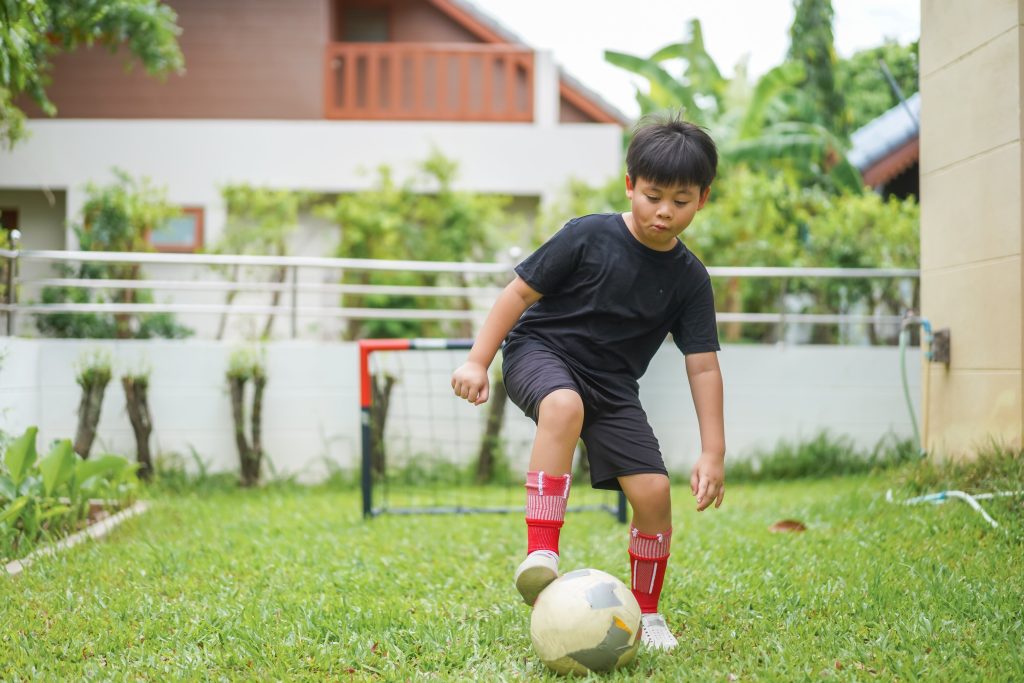
In younger athletes, particularly adolescents undergoing rapid growth, hamstring injuries may present differently. Because their bones are still developing, the attachment point of the hamstring at the pelvis is more vulnerable to stress. In some cases, instead of a muscle tear, a small piece of bone may be pulled away in a condition known as an apophyseal avulsion fracture. Although relatively rare, this injury is clinically significant and requires careful diagnosis using imaging tools such as X-rays or MRI scans.
Warning signs such as sudden sharp pain, a popping sensation, swelling near the buttock or back of the thigh, or difficulty walking should not be ignored, especially in young athletes. Early detection plays a crucial role in ensuring appropriate treatment and preventing long-term complications. Depending on severity, treatment may range from conservative physiotherapy to surgical intervention in more complex cases.
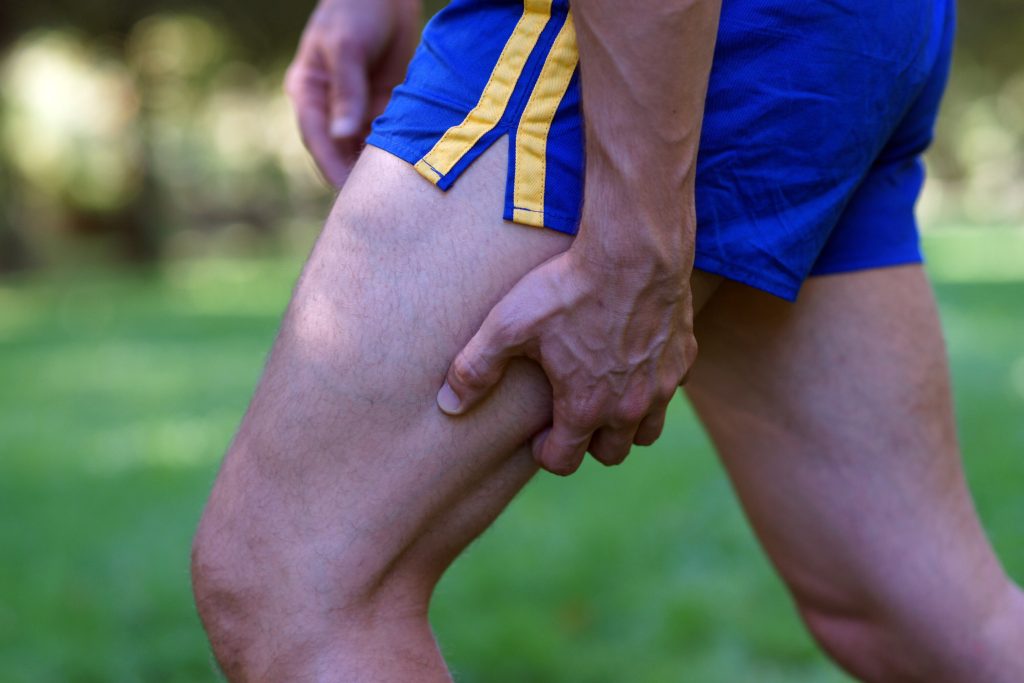
In severe hamstring injuries involving complete tears or avulsion fractures, surgery may be required to restore proper muscle or tendon function. However, medical specialists emphasise that surgery is only the first step in recovery. True rehabilitation involves structured physiotherapy focused on restoring strength, flexibility and neuromuscular control to ensure the athlete can safely return to sport.
Experts also stress that returning to play should never be rushed. Even when pain subsides, the muscle may not have regained full strength or resilience. A structured rehabilitation programme is essential to reduce the risk of reinjury and ensure long-term performance. This includes progressive strengthening, mobility work and sport-specific conditioning tailored to the athlete’s recovery stage.
For young athletes and recreational players, caution is especially important, as returning to high-intensity activity too soon can significantly increase the likelihood of recurring injuries. Medical clearance and guided rehabilitation are crucial before resuming competitive play.
Ultimately, hamstring injuries remain one of the most common yet underestimated challenges in football. With proper awareness, early diagnosis and disciplined recovery, athletes at all levels can reduce their risk and return to the game stronger, safer and more prepared for the demands of modern football.