
Often dismissed as a minor reaction to heat or exhaustion, a sudden loss of consciousness—medically known as syncope—could actually be the body’s only warning before a catastrophic cardiac event. Experts at Sunway Medical Centre Velocity (SMCV) are now urging the public to look beyond the surface of a “simple blackout” to identify hidden heart threats.
While most fainting episodes are benign, Cardiac Syncope accounts for a critical portion of emergency visits and is linked to a higher risk of sudden mortality.
The Danger of the “Quick Recovery”

The most deceptive aspect of cardiac syncope is how fast a person appears to “bounce back.” Dr. Cyrus Lai Sin Nan, Consultant Emergency Physician at SMCV, explains that a quick recovery does not equal safety.
“In the Accident & Emergency (A&E) department, our goal is to look past the stability of the moment,” says Dr. Cyrus. “Cardiac-related collapses are often the result of serious arrhythmias or sudden heart failure. Even if a patient feels fine minutes later, the underlying cause could lead to rapid deterioration if not caught immediately.”
Identifying the Structural Triggers
The cause of these sudden drops in blood flow to the brain can often be traced to the heart’s physical structure or its electrical system. Dr. Lim Chiao Wen, Consultant Cardiologist and Electrophysiologist at SMCV, notes that conditions like hypertrophic cardiomyopathy (thickened heart muscle) or aortic stenosis (valve narrowing) are major culprits.
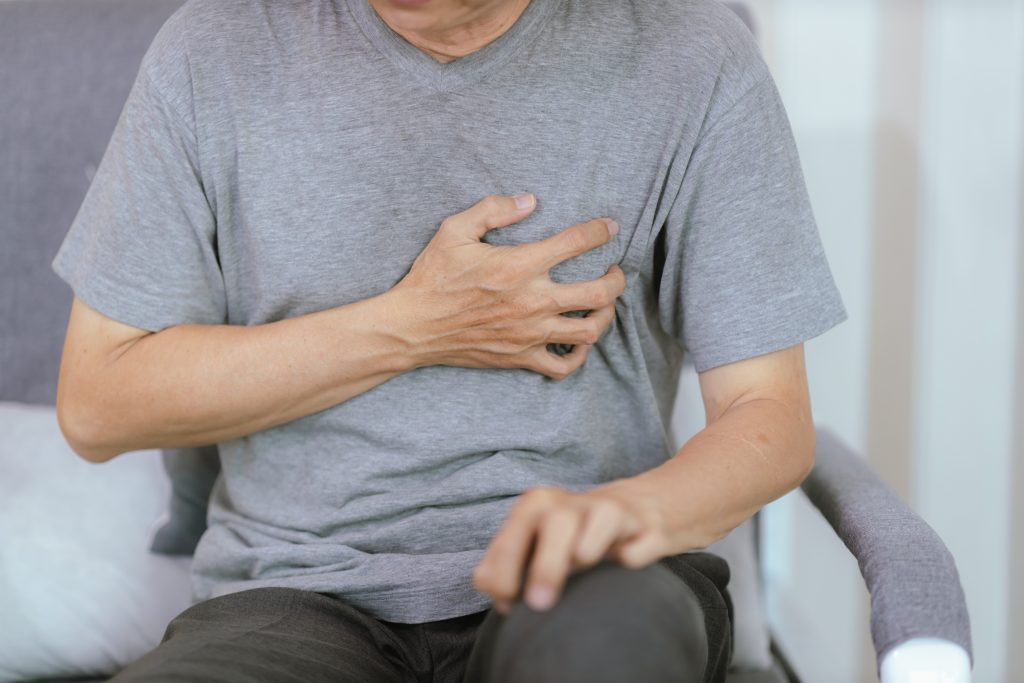
“Because these conditions can cause the heart to beat too fast or too slow without warning, blood pressure drops instantly,” Dr. Lim explains. She also warns that even emotional stress can trigger adrenaline surges that disrupt heart rhythms, making routine screenings vital even for those who appear healthy.
Red Flags Across Generations
Cardiac syncope does not discriminate by age. While older adults with multiple health conditions are at higher risk, younger individuals are also vulnerable—particularly if they experience:
- Fainting during physical exertion or exercise.
- Palpitations or a racing heart prior to collapsing.
- A family history of sudden cardiac death.
Precision Diagnostics and Intervention
To prevent a fatal outcome, SMCV utilizes a comprehensive diagnostic suite including 12-lead ECGs, echocardiography (ultrasound of the heart), and Holter monitoring to track heart rhythms over extended periods.
Treatment at SMCV is highly personalized, ranging from life-saving pacemakers and defibrillators to coronary angioplasty for patients identified with restricted blood flow or heart attacks.
When to Act
Public awareness is the first line of defense. SMCV encourages immediate medical evaluation if a fainting spell is accompanied by chest pain, breathlessness, or happens repeatedly.
“A fainting episode should never be ignored,” concludes Dr. Lim. “It may be the only chance you have to diagnose a life-threatening condition before it’s too late.”