The birth of a child is one of life’s purest joys, yet that joy can quickly turn into fear when a heart defect is discovered. Today, however, rapid advancements in paediatric cardiology in Malaysia have transformed such a diagnosis from a sentence of despair into a journey of hope.
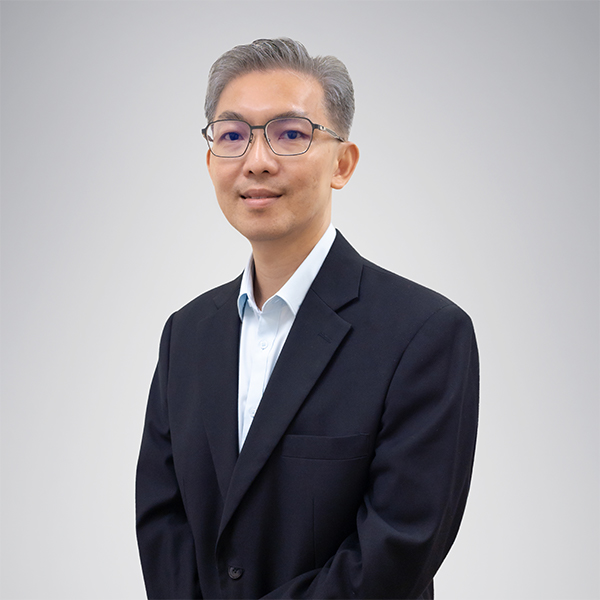
“Congenital heart disease (CHD) affects about one in every 100 babies,” says Dr Lim Wooi Kok, Consultant Paediatrician and Paediatric Cardiologist at Sunway Medical Centre, Sunway City (SMC). “But with today’s imaging and interventional techniques, many children can now live to see adulthood compared to decades ago.”
Heart problems in children generally fall into two categories: congenital and acquired. Congenital conditions are present at birth and include acyanotic or “pink” heart defects as well as cyanotic “blue baby” conditions. These are often detected soon after birth, particularly when newborn pulse oximetry screening reveals oxygen levels below 95 percent, with diagnosis confirmed through cardiac ultrasound or echocardiography. More serious cyanotic conditions such as Tetralogy of Fallot, Transposition of the Great Arteries, and Pulmonary Atresia require early medical attention, especially when a baby’s lips and extremities turn blue.
Acquired heart conditions develop later in life and include Kawasaki disease, rheumatic valve disease, and arrhythmias. These conditions often present with symptoms such as prolonged fever, chest pain, or fainting spells. Heart murmurs may be detected during examination, and an echocardiogram is typically required to confirm the diagnosis.
Advancements in cardiac imaging now allow specialists to visualise the heart with greater clarity and precision. Dr Lim, who has extensive expertise in cardiac multimodality imaging, uses tools such as echocardiography, CT scans, and MRI to produce two-dimensional, three-dimensional, and cardiac strain images that are essential for assessing how well each segment of the heart muscle contracts. These technologies are particularly valuable for newborns, infants, children, teenagers, and even adults living with congenital heart disease. He notes that not all cardiologists are trained to perform cross-sectional imaging or interpret these complex images, but having this expertise enables a far more accurate understanding of a child’s heart.
The ability to visualise the heart in three dimensions also supports safer and more personalised treatment planning. Dr Lim explains that newer technologies, such as photo-counting CT imaging, provide detailed 3D images while carefully managing radiation exposure, which is especially important in paediatric cases. These advancements help clinicians visualise small structures more clearly and support safe, precise treatment decisions for children with heart conditions.
Many congenital heart conditions, including Atrial Septal Defect (ASD), Patent Ductus Arteriosus (PDA), and Ventricular Septal Defect (VSD), can now be treated through percutaneous interventions. This minimally invasive procedure is performed using a small catheter inserted through the groin, typically takes only a few hours, and allows the child to return home within a couple of days, compared to the longer recovery period associated with open-heart surgery. After treatment, maintaining good oral hygiene and following endocarditis prevention advice are essential for long-term heart protection.
Caring for a child with CHD requires patience and resilience. Many children experience feeding difficulties, slower growth, and frequent hospital visits. Dr Lim explains that even simple activities such as drinking milk can be physically demanding, as these children use significant energy just to breathe. Parents must carefully manage medications, attend regular follow-up appointments, and balance work and financial responsibilities, making it a lifelong journey.
Despite technological advancements, the emotional burden on families remains significant. “Parents often blame themselves. They wonder if it was something they ate or did during pregnancy. But most cases are genetic or occur by chance. The risk rises slightly to about two to three percent if a parent or sibling is affected,” says Dr Lim. He adds that emotional support from both healthcare providers and other parents is crucial, and families are continually reminded that they are not alone. With proper care, most children can go on to lead full and active lives.
This ongoing care fosters a lasting bond between patients and their cardiologists, ensuring continuous support into adulthood. “Children with congenital heart conditions need lifelong care. I still see some of my patients 20 years later, now adults, some even married. It’s a bond that lasts a lifetime,” he says. Dr Lim reassures parents not to panic, emphasising that with early diagnosis and proper care, many heart defects can be effectively treated. He also highlights the importance of prevention and follow-up, including regular screenings and vaccinations to protect children from infections.
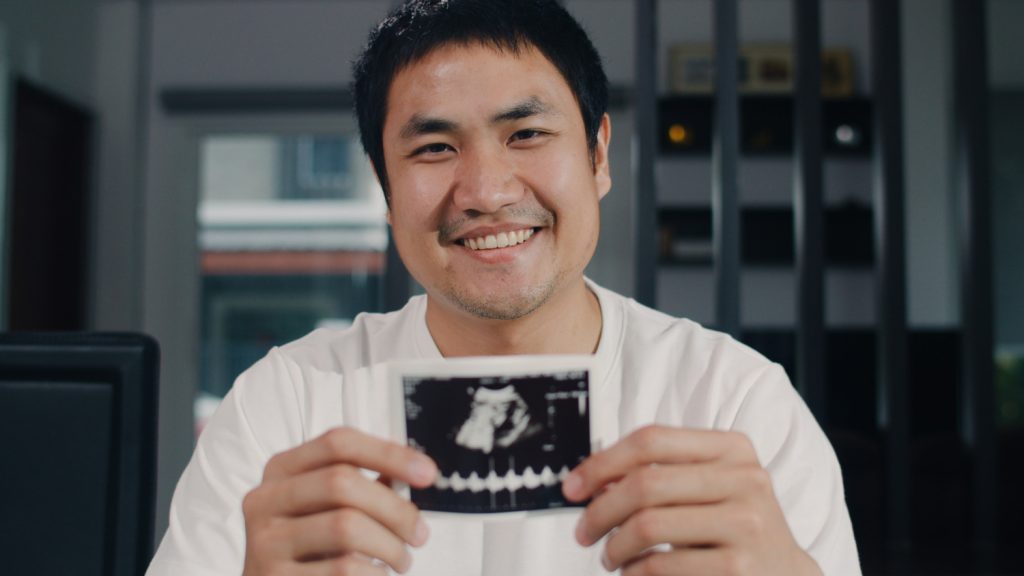
Malaysia’s healthcare system has made significant progress in paediatric cardiology, including advancements in fetal echocardiography that allow heart defects to be detected even before birth. This enables parents to prepare early and allows doctors to plan for safe delivery and immediate intervention if needed. “Expectant mothers can now have their baby’s heart examined in the womb as early as 18 to 22 weeks, and proper care can be coordinated with the obstetrician if a defect is detected. This can make the difference between life and death,” Dr Lim explains.
Looking ahead, Dr Lim remains optimistic about the future of paediatric cardiology in Malaysia. With more specialists being trained in advanced imaging and interventional techniques, the outlook continues to improve. “The future is bright. We are seeing more specialists trained in advanced imaging and interventions, each bringing even more hope,” he says. Ultimately, he adds, at the heart of every breakthrough is a parent’s wish to see their child grow, laugh, and live life fully. Thanks to continuous advancements, that hope is increasingly becoming a reality for children across Malaysia.