Today’s consumers are increasingly aware of the importance of preventive healthcare, recognizing that staying healthy can help avoid visits to clinics or hospitals. A recent Herbalife study found that 92% of consumers across the Asia Pacific region and 95% in Malaysia consider preventive healthcare essential to overall well-being. Many individuals are taking proactive steps to improve their health, including making healthier food choices, exercising regularly, and incorporating supplements into their routines. Supplements are now widely viewed as a tool to support general health, boost immunity, and help individuals achieve their wellness goals, often recommended by doctors, nutritionists, healthcare providers, or peers.
Herbalife’s survey of 9,000 consumers across 11 markets in May 2025 revealed that two in five Malaysians take supplements regularly. However, only 65% feel confident that they are making responsible choices regarding supplementation. Responsible supplement use requires a thorough understanding of ingredient composition, product quality, recommended dosages, consumption limits, and potential interactions with other supplements or medications. Without this knowledge, consumers may struggle to benefit from safe and effective supplementation, limiting their preventive healthcare efforts.
The study also highlighted knowledge gaps among consumers. Across age groups, many are uncertain about how to take supplements safely, including appropriate dosages and upper consumption limits, particularly when combining multiple supplements. Among Malaysian participants, 24% were unaware of the risks of over-consuming a supplement. Baby Boomers were identified as the least informed and confident, with only 30% prioritizing informed decisions and 42% feeling confident in their supplement choices, despite half consuming supplements daily. In contrast, Gen Z consumers showed higher awareness and confidence, with 47% valuing informed decision-making and 58% confident in their choices.
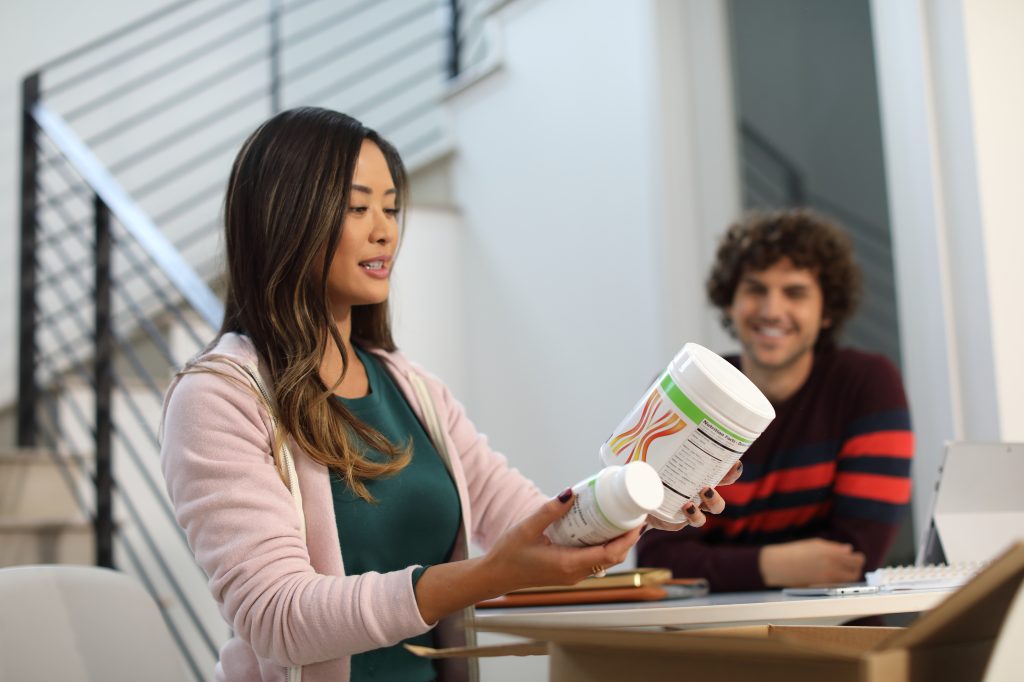
Another concern is the potential interaction between supplements and medications. For example, St. John’s Wort may reduce the effectiveness of medications like warfarin and certain statins, while excessive calcium intake can cause hypercalcemia, weakening bones and increasing kidney stone risk. Herbalife’s survey found that 59% of Malaysians are unaware of daily calcium limits, and 74% are unaware of the effects of over-consumption.
Malaysian consumers recognize their responsibility in making informed decisions, with 84% acknowledging its importance. However, supplement safety is a shared responsibility. Consumers need to research labels, seek guidance from credible sources, and make informed choices. Healthcare professionals should provide science-backed advice, and supplement providers must ensure clear labeling, transparent communication, and rigorous quality and safety standards.

Herbalife’s study underscores the significant role supplementation plays in supporting health and well-being. To achieve better health outcomes, supplement providers, healthcare professionals, and consumers must collaborate to ensure the safe and effective use of supplements. By educating and empowering consumers, nutrition companies can foster responsible supplementation as a standard practice, helping individuals maintain their health and well-being for longer.